2021 Performance Period Eligible Professional / Eligible Clinician eCQMs

The document outlines 47 electronic clinical quality measures (eCQMs) for Eligible Professionals/Clinicians for the 2021 performance period. It categorizes various measures based on quality domains, including effective clinical care, community health, and patient safety, while indicating eligibility for telehealth in select measures.

2021 Performance Period Eligible Professional / Eligible Clinician eCQMs
Total number of EP/EC eCQMs: 47

Measure NameCMS eCQM IDQuality DomainNQF IDMIPS Quality IDMeaningful Measure AreaTelehealth Eligible*
Adult Major Depressive Disorder (MDD): Suicide Risk AssessmentCMS161v9Effective Clinical Care0104e107Prevention, Treatment, and Management of Mental HealthYes
Anti-depressant Medication ManagementCMS128v9Effective Clinical CareNot Applicable009Prevention, Treatment, and Management of Mental HealthYes
Appropriate Testing for PharyngitisCMS146v9Efficiency and Cost ReductionNot Applicable066Appropriate Use of HealthcareYes
Appropriate Treatment for Upper Respiratory Infection (URI)CMS154v9Efficiency and Cost ReductionNot Applicable065Appropriate Use of HealthcareYes
Appropriate Use of DXA Scans in Women Under 65 Years Who Do Not Meet the Risk Factor Profile for Osteoporotic FractureCMS249v3Efficiency and Cost Reduction3475e472Appropriate Use of HealthcareYes
Bone density evaluation for patients with prostate cancer and receiving androgen deprivation therapyCMS645v4Effective Clinical CareNot Applicable462Management of Chronic ConditionsYes
Breast Cancer ScreeningCMS125v9Effective Clinical CareNot Applicable112Preventive CareYes
Cataracts: 20/40 or Better Visual Acuity within 90 Days Following Cataract SurgeryCMS133v9Effective Clinical Care0565e191Management of Chronic ConditionsNo
Cervical Cancer ScreeningCMS124v9Effective Clinical CareNot Applicable309Preventive CareYes
Child and Adolescent Major Depressive Disorder (MDD): Suicide Risk AssessmentCMS177v9Patient Safety1365e382Prevention, Treatment, and Management of Mental HealthYes
Childhood Immunization StatusCMS117v9Community/Population HealthNot Applicable240Preventive CareYes
Children Who Have Dental Decay or CavitiesCMS75v9Community/Population HealthNot Applicable378Preventive CareNo
Chlamydia Screening for WomenCMS153v9Community/Population HealthNot Applicable310Preventive CareYes
Closing the Referral Loop: Receipt of Specialist ReportCMS50v9Communication and Care CoordinationNot Applicable374Transfer of Health Information and InteroperabilityYes
Colorectal Cancer ScreeningCMS130v9Effective Clinical CareNot Applicable113Preventive CareYes
Controlling High Blood PressureCMS165v9Effective Clinical CareNot Applicable236Management of Chronic ConditionsYes
Coronary Artery Disease (CAD): Beta-Blocker Therapy-Prior Myocardial Infarction (MI) or Left Ventricular Systolic Dysfunction (LVEF <40%)CMS145v9Effective Clinical Care0070e007Management of Chronic ConditionsYes
Dementia: Cognitive AssessmentCMS149v9Effective Clinical Care2872e281Prevention, Treatment, and Management of Mental HealthYes
Depression Remission at Twelve MonthsCMS159v9Effective Clinical Care0710e370Prevention, Treatment, and Management of Mental HealthYes
Diabetes: Eye ExamCMS131v9Effective Clinical CareNot Applicable117Management of Chronic ConditionsYes
Diabetes: Hemoglobin A1c (HbA1c) Poor Control (> 9%)CMS122v9Effective Clinical CareNot Applicable001Management of Chronic ConditionsYes
Diabetes: Medical Attention for NephropathyCMS134v9Effective Clinical CareNot Applicable119Management of Chronic ConditionsYes
Diabetic Retinopathy: Communication with the Physician Managing Ongoing Diabetes CareCMS142v9Communication and Care CoordinationNot Applicable019Transfer of Health Information and InteroperabilityNo
Documentation of Current Medications in the Medical RecordCMS68v10Patient Safety0419e130Medication ManagementYes
Falls: Screening for Future Fall RiskCMS139v9Patient SafetyNot Applicable318Preventable Healthcare HarmYes
Follow-Up Care for Children Prescribed ADHD Medication (ADD)CMS136v10Effective Clinical CareNot Applicable366Prevention, Treatment, and Management of Mental HealthYes
Functional Status Assessment for Total Hip ReplacementCMS56v9Person and Caregiver-Centered Experience and OutcomesNot Applicable376Functional OutcomesYes
Functional Status Assessment for Total Knee ReplacementCMS66v9Person and Caregiver-Centered Experience and OutcomesNot Applicable375Functional OutcomesYes
Functional Status Assessments for Congestive Heart FailureCMS90v10Person and Caregiver-Centered Experience and OutcomesNot Applicable377Functional OutcomesYes
Heart Failure (HF): Angiotensin-Converting Enzyme (ACE) Inhibitor or Angiotensin Receptor Blocker (ARB) or Angiotensin Receptor-Neprilysin Inhibitor (ARNI) Therapy for Left Ventricular Systolic Dysfunction (LVSD)CMS135v9Effective Clinical Care0081e005Management of Chronic ConditionsYes
Heart Failure (HF): Beta-Blocker Therapy for Left Ventricular Systolic Dysfunction (LVSD)CMS144v9Effective Clinical Care0083e008Management of Chronic ConditionsYes
HIV ScreeningCMS349v3Community/Population HealthNot Applicable475Preventive CareYes
Initiation and Engagement of Alcohol and Other Drug Dependence TreatmentCMS137v9Effective Clinical CareNot Applicable305Prevention and Treatment of Opioid and Substance Use DisordersYes
Oncology: Medical and Radiation – Pain Intensity QuantifiedCMS157v9Person and Caregiver-Centered Experience and Outcomes0384e143Management of Chronic ConditionsYes
Pneumococcal Vaccination Status for Older AdultsCMS127v9Community/Population HealthNot Applicable111Preventive CareYes
Preventive Care and Screening: Body Mass Index (BMI) Screening and Follow-Up PlanCMS69v9Community/Population HealthNot Applicable128Preventive CareNo
Preventive Care and Screening: Influenza ImmunizationCMS147v10Community/Population Health0041e110Preventive CareYes
Preventive Care and Screening: Screening for Depression and Follow-Up PlanCMS2v10Community/Population Health0418e134Prevention, Treatment, and Management of Mental HealthYes
Preventive Care and Screening: Screening for High Blood Pressure and Follow-Up DocumentedCMS22v9Community/Population HealthNot Applicable317Preventive CareNo
Preventive Care and Screening: Tobacco Use: Screening and Cessation InterventionCMS138v9Community/Population Health0028e226Prevention and Treatment of Opioid and Substance Use DisordersYes
Primary Caries Prevention Intervention as Offered by Primary Care Providers, including DentistsCMS74v10Effective Clinical CareNot Applicable379Preventive CareYes
Primary Open-Angle Glaucoma (POAG): Optic Nerve EvaluationCMS143v9Effective Clinical Care0086e012Management of Chronic ConditionsNo
Prostate Cancer: Avoidance of Overuse of Bone Scan for Staging Low Risk Prostate Cancer PatientsCMS129v10Efficiency and Cost Reduction0389e102Appropriate Use of HealthcareNo
Statin Therapy for the Prevention and Treatment of Cardiovascular DiseaseCMS347v4Effective Clinical CareNot Applicable438Management of Chronic ConditionsYes
Urinary Symptom Score Change 6-12 Months After Diagnosis of Benign Prostatic HyperplasiaCMS771v2Person and Caregiver-Centered Experience and OutcomesNot Applicable476Functional OutcomesNo
Use of High-Risk Medications in Older AdultsCMS156v9Patient SafetyNot Applicable238Medication ManagementYes
Weight Assessment and Counseling for Nutrition and Physical Activity for Children and AdolescentsCMS155v9Community/Population HealthNot Applicable239Preventive CareYes

Carenodes, a Healthcare Infrastructure Developer, Wins Two Best in Class Awards From Health Net and ComPsych for its Pandemic Response

Jan 25, 2021 (AB Digital via COMTEX) — Los Angeles, CA – ComPsych® revealed the 2020 winners for its 16th-annual Health at Work Awards. This award honors organizations that assist employees with outstanding wellness systems.  Carenodes was named as the winner of the best-in-class gold award for organizations with less than 100 employees.

In an unprecedented year, Carenodes has created jobs where others have, unfortunately lost jobs. Carenodes has not only grown its team substantially, but it has led through these trying times with award winning performance. 

Carenodes has done so by implementing a community-based approach to workforce development, wellness, and resilience. Alex Yarijanian, CEO of Carenodes, stated, “All employers and companies had to make sudden and immediate changes to adapt to the pandemic. Carenodes took the approach of deploying forces to provide business administration support to critical Healthcare provider organizations”. Carenodes partnered with its provider network to help implement administrative supports and workforce development, wellness, and resilience across various sectors of healthcare. 

Here are some of the ways Carenodes and its provider network collaborated to scale workplace innovation in wellness:

  • Overnight attainment of grant funding for a new model of remote staff decentralization, management, and engagement.
  • Wholistic suicide prevention programs to include staff training, patient engagement, and supports.
  • Collocation of emergency department and acute-center behavioral health support for patients, healthcare providers, and caregivers.

“…these outstanding organizations for making employee health and wellness top priorities, especially during these difficult times. Given the current climate, employee well-being is more important than ever, and I applaud the exceptional efforts of these companies.”

Dr. Richard Chaifetz, Founder, Chairman and CEO of ComPsych,

Earlier in 2020, carenodes secured a Health Net grant proposal for its behavioral health provider network to expand its virtual healthcare delivery capacity and accessibility. In response to the ongoing COVID-19 pandemic, Carenodes Behavioral, in collaboration with Insight Choices, was awarded $125,000 to rapidly expand its telehealth infrastructure.

The grant was used to help Carenodes Behavioral Health networks launch new telehealth technologies to increase prevention and intervention efforts for patients with mental health conditions.

Furthermore, the availability of funding has enabled the provision of crisis intervention services, mental and substance use disorder treatment, crisis counseling, and other related supportive services for communities impacted by the COVID-19 pandemic.

“Providing increased access to care during this unprecedented time is critical to ensuring our most vulnerable populations stay healthy and safe. The amount of difficult news, confusion and tragedy surrounding all of us in a short period of time can feel insurmountable. Reaching out for help is incredibly important and telehealth is key to ensuring access to care is not interrupted.”

Brian Ternan, President and CEO, Health Net of and California Health & Wellness.

Recognizing the urgency of the situation, Carenodes saw the need to increase its telehealth offering to benefit its patients who are coping with increased anxiety, deep depression and unfortunately, suicidal ideation. The organization also saw an increased need to provide mental health services for health care workers on the frontline of the pandemic.

“Our nation’s health care providers are under incredible, and still increasing, strain as they fight the pandemic. Insight Choices plan for the COVID-19 Telehealth Program is a critical tool to address this national emergency — starting in California and the counties we serve with a focus on mental health care and emotional wellbeing. This grant will provide Insight Choices, and the communities it serves, vital funding to assist in a more robust response to the mental health crisis exasperated by the COVID-19 pandemic,”

Alex Yarijanian CEO of Carenodes and Interim COO of Insight Choices.

Carenodes will support infrastructure modernization efforts to include telecommunications services, information services and devices necessary to enable the provision of telehealth services during this emergency period and beyond. In addition, such capacity-building funds have the potential to substantially stimulate the deployment of innovative access to care models.

ABOUT CARENODES

Carenodes is the delegated authority acting on behalf of providers troubled by the present multi-payer, disjointed, and cumbersome way healthcare has been, as an industry, running payer/provider operations. In partnership with providers (medical and non-medical, behavioral, primary, substance abuse, and others), it has developed community-wide coalition efforts geared towards addressing larger systemic health, infrastructure or social determinant issues with a large impact on health. 

ABOUT COMPSYCH

ComPsych® Corporation is the world’s largest provider of employee assistance programs (EAP) and is the pioneer and worldwide leader of fully integrated EAP, behavioral health, wellness, work-life, HR, FMLA and absence management services under its GuidanceResources® brand. ComPsych provides services to more than 53,000 organizations covering more than 118 million individuals throughout the U.S. and 170 countries. By creating “Build-to-Suit” programs, ComPsych helps employers attract and retain employees, increase employee productivity and improve overall health and well-being. 

ABOUT HEALTH NET

Health Net believes every person deserves a safety net for their health, regardless of age, income, employment status or current state of health. Founded 40 years ago, we remain dedicated to transforming the health of our community, one person at a time. Today, Health Net’s 3,000 employees and 85,000 network providers serve more than 3 million members. That’s nearly 1 in 12 Californians. Health Net of California, Inc., Health Net Life Insurance Company and Health Net Community Solutions, Inc. These entities are wholly owned subsidiaries of Centene Corporation (NYSE: CNC), a Fortune 100 company providing health coverage to more than 20 million Americans.

PIL Letter to the UC Regents


PIL Letter to the UC Regents 


To: Office of the Secretary and Chief of Staff to the Regents
1111 Franklin St.,12th floor
Oakland, CA 94607


Dear 


I am writing on behalf of [your organization name], an organization that [insert your mission/vision], to make sure that you are aware of recent regulatory fines and a landmark federal court decision involving health plans’ coverage of mental health and addiction treatment. 


As head of [company name] that offers health insurance coverage to its employees and their families, you may be interested in these recent developments, both for their potential legal implications and the possibility that health insurers – including third party administrators of self-funded plans ­– may be wrongly denying your employees needed care.


A number of state insurance departments and attorneys general have recently issued fines against health insurers for violations of the federal Mental Health Parity and Addiction Equity Act of 2008 (Federal Parity Law) and state-based parity laws that mirror it. The Federal Parity Law and state equivalents require insurers to treat illnesses of the brain, such as depression and addiction, no more restrictively than illnesses of the body, such as diabetes and cancer. 


Unfortunately, recent data from the actuarial firm Milliman has found huge disparities between insurers’ coverage of mental health and addiction treatment and their coverage of other medical conditions.[1] The Milliman data is reinforced by findings from state officials who have examined mental health and addiction coverage and found numerous violations. Recent findings and fines include:


  • California – The Department of Managed Health Care has fined Kaiser Permanente millions of dollars over the past few years for violating parity and other mental health and addiction coverage laws.
  • Oregon – The Department of Consumer and Business Services fined Pioneer Educato


Similar violations are most certainly happening in other states. In fact, in a recent landmark legal decision, Wit v. United Behavioral Health(UBH), a federal judge in the Northern District of California ruled that UBH violated its fiduciary duty under the federal ERISA law by allowing financial considerations and a desire to “mitigate” the Federal Parity Law to guide the construction of deeply flawed medical necessity criteria that were used to determine coverage for mental health and addiction services. These criteria were inconsistent with generally accepted standards of care and resulted in the denial of mental health and addiction treatment services to more than 50,000 UBH members who were part of the Wit class action lawsuit. 


Again, UBH – the largest managed behavioral health care company in the country – is most certainly not alone in its offenses. For [name of company], there could be substantial liability if its health plans are self-funded and its third-party administrator administers benefits in a way that violates federal law. Of course, there are also important questions to ask about the economic cost of employees not being able to seek help for mental health and addiction challenges as well. Mental health conditions such as depression and anxiety take a massive toll in the workplace. And untreated addiction, particularly opioid use disorder, is a major contributing factor to labor shortages. Any company that is not closely examining is mental health and addiction treatment insurance coverage is missing a key opportunity to improve staff well-being and productivity.


[Your organization name], urges you to take these issues seriously and ask your health insurance company or administrator the following questions:


  • What are you doing to ensure compliance with the federal and state parity laws? 
  • How are you protecting me from legal decisions such as Wit v. United Behavioral Health? 
  • How are you ensuring that my employees and their families have equal access to treatment for mental health and addiction concerns? 


Thank you for your attention to this critical issue. For far too long, those with mental health and substance use disorders have faced a separate and unequal system of care. As life expectancy in the U.S. continues to decline largely due to overdoses and suicides, we must all do our part to hold insurers accountable. Nothing should stand in the way of getting help. 


Sincerely,


[Your signature] 

[Your name and title, organization name]

[Your phone number and email address]


[1] “Addiction and mental health vs. physical health: Analyzing disparities in network use and provider reimbursement rates,” Milliman, December 2017,  http://www.milliman.com/uploadedFiles/insight/2017/NQTLDisparityAnalysis.pdf


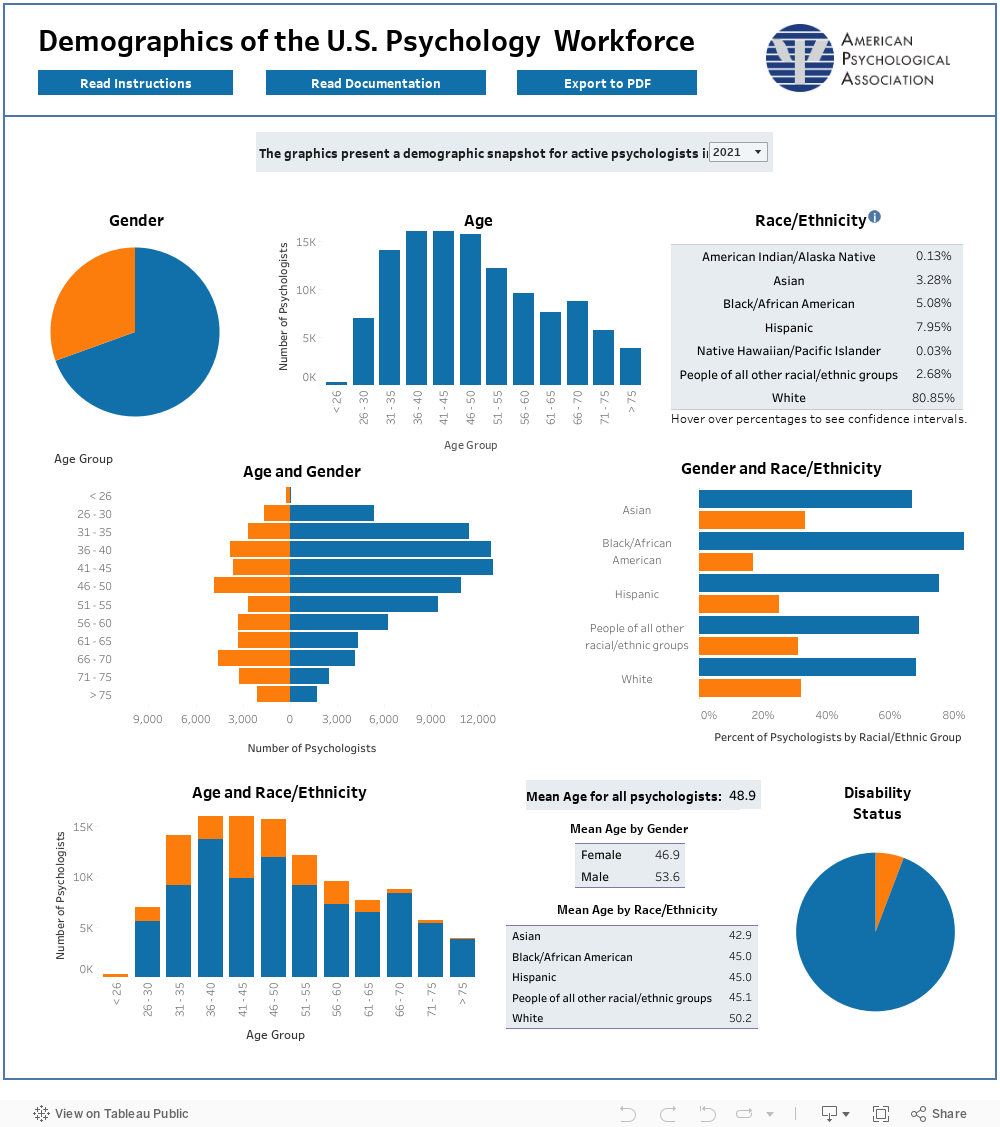
CWS Data Tool: Demographics of the U.S. Psychology Workforce

            <script type='text/javascript'>                    var divElement = document.getElementById('viz1608679702762');                    var vizElement = divElement.getElementsByTagName('object')[0];                    vizElement.style.width='1000px';vizElement.style.height='1927px';                    var scriptElement = document.createElement('script');                    scriptElement.src = 'https://public.tableau.com/javascripts/api/viz_v1.js';                    vizElement.parentNode.insertBefore(scriptElement, vizElement);                </script>

Learn to speak the Managed Care Language (101)

Healthcare flow of funds explained. Managed Care 101 for healthcare entrepreneurs seeking to do business in the California market. Session led by Alex Yarijanian, CEO Carenodes. The aim: providing healthcare entrepreneurs with a framework within which they will find their place in the business value chain.

Everyone should be able to walk out of this session feeling empowered by having learned the basic flow of funds (starting at the payer).

About this Event

Healthcare flow of funds explained. Managed Care 101 for healthcare entrepreneurs seeking to do business in the California market. Session led by Alex Yarijanian, CEO Carenodes. The aim: providing healthcare entrepreneurs with a framework within which they will find their place in the business value chain.

Topics covered in this session are as follows:

1. Managed Care Mind

  • Managed care: ‘utilization management’
  • Payment: Volume shift to value
  • Quality (‘value’) measured
  • Patient experience
  • Clinical outcomes

2. Lines of Business aka ‘LOB’ (funding source)

  • Medicare (Traditional Medicare and Medicare Advantage, Parts ABCD)
  • Medicaid (managed Medicaid, state / federal, Medi-Cal)
  • Duals (Medicare and Medicaid beneficiaries)
  • Commercial (on exchange, off exchange)

3. Products (benefit designs)

  • The spectrum of products: HMO, PPO, POS, EPO, FFS
  • Business ramifications

4. Difference between ‘LOB’ vs ‘product’

  • Difference between ‘LOB‘ (Medicare, commercial, etc) vs ‘product‘ (HMO, PPO, etc.)

The video and article link below is of an expanded version of this training https://www.carenodes.com/healthcare-flow-of-funds-explained-healthcare-entrepreneur-bootcamp/

Expert Seminar on Parity Laws and Reimbursement

Learn to speak the Managed Care Language (101)

Getting Paid (more) for Telehealth by Leveraging Mental Health Parity

About this Event

This is an advanced session for healthcare lawyers, general counsel, contracting VPs, C-suite, consultants.

Healthcare providers and technology companies looking to launch a new telemedicine or mHealth program may find an unexpected ally in commercial health plans. Healthcare providers looking to launch a new telemedicine or mHealth program may find an unexpected ally in commercial health plans. But they need to understand how and what mechanisms to trigger. For example, in mental health, most fail since they are unaware of mental health parity leverage points.

A Carenodes Network provider noted that one private payer in Mississippi won’t cover telehealth even though it’s mandated by the state, and another one of our providers said health plans in New York have found a way to reimburse for telehealth at only half the rate of in-person coverage.

We will discuss these cases, outcomes, and how we managed to obtain better reimbursement terms and partnerships — substantially improving client position and patient access.

This method has demonstrated an average of 46% increase in topline payer reimbursement for healthcare providers.

RELATED FREE CONTENT (ON DEMAND)

For those seeking to learn more about practical tools from payer executives, see Mental Health Parity: Provider Guidance Session and Q/A with Payer Executive https://www.youtube.com/watch?v=E5pG319Wd7o&t=323s

Chris Esguerra, MD and Alex Yarijanian address mental health parity and what providers can do to hold health plans accountable. These two executives provide tools/tips/resources behavioral healthcare providers and startups can use to hold payers accountable to equitable access to mental healthcare.

https://www.eventbrite.com/static/widgets/eb_widgets.js var exampleCallback = function() { console.log(‘Order complete!’); }; window.EBWidgets.createWidget({ // Required widgetType: ‘checkout’, eventId: ‘132115558191’, iframeContainerId: ‘eventbrite-widget-container-132115558191’, // Optional iframeContainerHeight: 425, // Widget height in pixels. Defaults to a minimum of 425px if not provided onOrderComplete: exampleCallback // Method called when an order has successfully completed });

Online Events,Online Seminars,Online Health Seminars, mentalhealth, #mental_health_training#healthcare_lawyers#carenodes

Provider – Contracting: KPIs

KPI / MetricFormula or DefinitionTargetBusiness Purpose
Gross RevenueGross Revenue or “Top Line Revenue” is synonymous with gross charges associated with the provision of servicesThis is Facility Specific. GR is budgeted at the Financial Class Level based upon historical payer mixes, demographic studies, material managed care contracting changes and other forecasting methods.From a revenue cycle management perspective, the objective is rapid, compliant conversion of Gross Revenue into Cash (and legitimate associated contractual adjustments) Therefore, GR is a significant input in a number of relevant KPI’s.
Net RevenueThe term Net Revenue has diverse definitions within the industry but is best defined as: The value of the hospitals dollar, less contractuals, less bad debt.Different methods are used to determine both the value of the Active AR and related %’s that are applied to Gross Revenue to determine its Net Revenue.This is Facility Specific. The NR target is based upon reducing Gross Revenue by anticipated contractual allowances and a Bad Debt Expense target.The contractual allowances and BD%’s are applied by a combination of a calculated model and/or history.A primary objective of the Revenue Cycle Team is to increase Net Revenue through denial prevention and recovery as the reduction of the Bad Debt Expense through improved Self Pay receivable management strategies.
Net Patient Revenue(Before Bad Debt)Net Patient Revenue is Net Revenue prior to making deductions for Bad debt Expense and could be defined as “Maximum Net Collectible Value”Same approach as Net Revenue.Measure Cash as a % of Net Patient Revenue instead of Cash as a % Net Revenue. This approach is not as common as Net Revenue.
Lag Revenue(Rolling 2,4,6 months)Most Gross Revenue is converted into cash and associated contractual adjustments with in 45-60 days. As a result, cash targets are based upon a prior month’s revenue or a rolling average of a prior periods revenue. This is referred to as Lag Revenue. Some targets are based upon a 2 month average with a one month lag.N/ALag Revenue is constantly studied, normalized and modeled to help the hospital become increasingly scientific in setting cash and contractual allowance targets.
Modeled Net Revenue (%)(Expected Reimbursement)Net Revenue Modeling is the practice of converting contract terms(and for Government Payers; DRG and APC Driven reimbursement) into an Expected Reimbursement calculation at the account level. From there, projections can be made based upon “perfection” (not considering denials and underpayments, etc.) from a Reimbursement standpoint. Modeled Net Revenue is usually expressed as a %.This is Facility and contract specific.This works if you Net most of the Receivables at the time of Final Billing. Many facilities utilize historical experience for Net Revenue and related contractuals
Experiential Net Revenue % (ENR) Zero Balance accounts for 12-18 monthsExperiential Net Revenue (ENR) is best described as Collections against the dollar on a large sample of zero balance accounts.The Formula is Receipts/Charges 12-18 months of zero balance charges. Often expressed as a %ENR should be as close the the MNR as possible. The Delta between ENR and MNR is the economic opportunity.ENR% is used to calculate cash target, average daily net revenue and is an input for a host of other critical Key Performance Indicators
Average Daily Gross Revenue6 months gross revenue/ total number of days in the calculation period. Expressed as a $ amount.There may be seasonality to consider so 6 months may be a better standard to determine average daily gross revenue. (Industry standards are 3 months)ADGR is the divisor for a number of other KPI’s. It is conversational language for “how much Business” is being generated on a daily basis.
Average Daily Net Revenue6 Months net revenue / total number of days in the calculation period. Expressed as a $ amount.There may be seasonality to consider so 6 months may be a better standard to determine average daily net revenue. (Industry standards are 3 months)ADNR is the divisor for a number of other KPI’s. It is conversational language for “how much Business” is being generated on a daily basis.
Cash as % of Net RevenueCash/Lag net Revenue (Or Net patient Revenue). Expressed as a %100% or GreaterThis is the most important of all KPI’s and measures cash performance against opportunity for cash performance. This KPI increases in value when calculated at the Financial Class Level and allows for team by team organizational goal alignment.
Bad Debt as % of Gross Revenue(Bad Debt Transfers – Bad Debt Recoveries) / Gross Revenue. Expressed as a % and $ amount.This is NOT the finance view of Bad Debt Expense (which is out of scope for this document but includes looking at actual BD write offs Less recoveries against the budgeted BD allowance against the value of the Self Pay Receivable)From the Revenue Cycle Perspective, this calculation should be managed daily and if at 3.1% or less, will equate to successful migration of Bad Debt Risk. (% is client specific)Used to measure the effectiveness of both Front End Financial Securement and Self Pay follow up.It is critical that only qualifying accounts be referred to BD and that the provider continuously look to reallocate High Risk Self Pay to Federal, State, Private and Local or other funding sources.
Charity Care as a % of Gross RevenueCharity Care Write offs/Gross Revenue. Expressed as a % and $ amounts.Finance, using primarily volumes and experience, prepares a charity budget.From a Revenue cycle Perspective, charity care write-offs are targeted at 1.9% of Gross Revenue. (% is client specific)Charity Care is described as the inability to pay for services rendered (whereas Bad Debt is based upon unwillingness to pay)Non Profits maintain their standing through the provision of Community Benefits visa vie Charity Care.Therefore, it is imperative that qualifying Charity Care accounts not be wrongly classified or through fractured process flow to bad debt.
DNFB – Discharged Not Final BilledDNFB is a term used to define unbilled accounts where the patient has been discharged (for outpatient services the admit and discharge date is one and the same) and the account is either not coded, or pending charges, service documentation or claim holds to be released into the final billed receivable.The Formula for calculating the DNFB target is:ADGR x 4 (4 is an example) … Expressed as $DNFB Targets are financial class and patient type specific.Example: if your suspense days is 4 for Non Government payers then: 4 X ADGR would be your calculation…If you have a 5 day suspense for Government payers then you would calculate this as: 5 X ADGR for Gov. PayersIt is critical to success that the DNFB be managed and sustained with the targeted range as that with is not coded/released cannot be converted to cash.
Unbilled beyond SuspenseWith in the DNFB receivable is a subset of accounts that have moved beyond the targeted date (which is called the Suspense Cutoff date). These receivables represent a direct delay in cash conversion opportunity.The target for this calculation, whether expressed as Days, Net Days or $ is ZEROUnbilled beyond Suspense receives high attention from all functional areas within the revenue cycle, tends to represent the exact co-efficient of any cash short fall being expressed during the month.
DNFB DaysDNFB Receivable Outstanding / Average Daily Gross Revenue (Or Net DNFB Receivable Outstanding / Average Daily net revenue)Fin Class specific, usually 3-5 daysAlso calculated as Net DNFB daysSee above
Gross Days In Revenue OutstandingActive accounts receivable outstanding / Average daily Gross RevenueCalculations can vary: Gross Days Target at the Financial Class level and then aggregates the total for a more specific (and less anecdotal) approach to managing days.This KPI is in the top 5 and is a strong “processing KPI” but may not be tied directly to cash performance. (Avoidable write – offs and high bad debt may produce lower AR days while cash performance is at a variance to target.
Net Days in Revenue OutstandingActive Accounts Receivable / Average Daily Net RevenueCalculations can vary: Net days target at the financial class level and then aggregates the total for more specific approach to managing daysSee above
Days Lower Control LimitA term used to describe absolute perfection for A/R Days at the Financial Class (and the aggregate) level. For Example, a perfect Medicare Inpatient Claim is Inhouse for 3.2 Days, DNFB for 5 days and the submitted and adjudicated in 14-16 days.Financial Class SpecificDays LCL, for both Net and Gross, is an input used for several targets and KPI’s within the Revenue cycle.
Held Claims DaysClaim submission date – Final Billed Date expressed as # of calendar days.No claim should be held longer than 1 business day for correction and submission/re-submission.This is a standard Claims Management KPI that seeks to place rigid controls on predictable, regular billing porduct in CBO.
Clean Claim RateClean Claims/Total Claims expressed as a %95-98%This is a standard Claims Management KPI that seeks to place rigid controls on predictable, regular billing product in CBO
ErosionAs accounts get older, then become less collectible – or “erode” on the Accounts Receivable.
1. A/R > 90Creditors that loan hospitals money against their A/R asset use A/R > 90 as a critical measure of the health of the accounts receivableThrough the use of Days Lower Control Limitis, Financial class specific targets can be set around tolerable volumes of accounts moving past 90 Days.Must maintain acceptable targets from an aging perspective to ensure strong cash performance, and avoid Finance “devaluing” the Active A/R based upon volumes moving into this aging category.
2. A/R > 120Self pay accounts may be deemed worthless (either in A/R or Bad Debt) after valid collection effors for 120 days.Financial Class Specific and is dependent upon whether SP after Insurance is blended with pure Self Pay.120 is an important trigger for Mediare Cost Report compliance and set the standard for Bad Debt Transfers on account that are validated to be uncollectible
POS CashCash collected at, or as a direct result of front end functional area efforts (such as Financial Counseling)Targeting for POS Cash becomes meaningful when measured against an estimated patient portion due.Initiative to implement a Patient Payment Estimator.POS Cash Management is critical because the psychological opportunity to collect declines rapidly after the Patient leaves.There is a direct correlation between POS Cash performance and bad debt reduction.
POS Cash as % of Self Pay Cash CollectedThis Metric measures the overall composition of Self Pay Cash Performance and seeks to understand the contribution of POS Cash Management to the Overall Self pay campaign.See AboveSee above
Percentage of Receivable over 120 DaysPercentage of current total receivables, as defined by amounts owed to the provider/facility by patients, third party payers etc. that is greater than 120 days post dischargeFind this data in your Aged Trial BalanceBenchmarks:
Best practice less than 12%
Average between 12 and 25%
Alarm Greater than 25%
% business in VBC