Birth Count Query System (Florida)

The Birth Count Query System is a highly useful online tool provided by the Florida Department of Health. It offers a plethora of data on birth counts in Florida, and can be accessed easily through this link: https://www.flhealthcharts.gov/FLQUERY_New/Birth/Count.

This comprehensive tool is an excellent resource for researchers and analysts who are interested in delving deeper into birth trends in Florida. The system provides data that is updated regularly, offering a wealth of information on birth counts across different areas of the state, as well as various demographics. By using this system, researchers and analysts can gain valuable insights into the factors that affect birth rates in Florida, and can make informed decisions based on the data provided by the tool. Additionally, the system can also be used to identify areas where further research is needed, helping to drive innovation in the field of birth rate analysis.

Physician-Employer Engagement: “Direct-to-Employer” Arrangements

Physician-Employer Engagement has become a popular method for physicians to provide healthcare services to employees of companies. This approach is often referred to as “Direct-to-Employer” arrangements.

Physician-Employer Engagement has become a popular method for physicians to provide healthcare services to employees of companies. This approach is often referred to as “Direct-to-Employer” arrangements.

Physician-Employer Engagement: “Direct-to-Employer” Arrangements

Introduction

Physician-Employer Engagement, also known as “Direct-to-Employer” arrangements, has become a popular method for physicians to provide healthcare services to employees of companies. This approach allows physicians to work directly with employers to provide healthcare services to employees, rather than through traditional insurance reimbursement models. In this blog post, we will discuss the benefits of Direct-to-Employer arrangements and what to consider before entering into such a contract.

Benefits of Direct-to-Employer Arrangements

One of the main benefits of Direct-to-Employer arrangements is the ability to offer more personalized and accessible healthcare services to employees. These arrangements often include on-site clinics, telemedicine services, and wellness programs that can be tailored to the specific needs of the company’s workforce. This can lead to increased productivity, reduced absenteeism, and improved employee satisfaction.

Another benefit of Direct-to-Employer arrangements is the potential for cost savings. By working directly with employers, physicians can negotiate pricing and services that are tailored to the needs of the company. This can lead to lower healthcare costs for both the employer and the employee.

Considerations Before Entering into a Direct-to-Employer Arrangement

Before entering into a Direct-to-Employer arrangement, it is important to consider several factors. First, it is important to understand the legal requirements and regulations related to providing healthcare services directly to employers. This includes understanding state and federal laws related to licensure, insurance, and privacy.

Financial considerations are also important to keep in mind. Physicians should understand the costs associated with setting up and maintaining an on-site clinic or telemedicine service, as well as the potential revenue streams and payment models.

Finally, operational logistics should be carefully considered. Physicians should ensure that they have the necessary staffing, equipment, and technology to provide high-quality healthcare services to employees. They should also consider how they will communicate with the company’s human resources department and how they will manage patient records and data.

Conclusion

Physician-Employer Engagement, or Direct-to-Employer arrangements, offer several benefits to both physicians and employers. By providing personalized and accessible healthcare services to employees, physicians can help improve productivity, reduce absenteeism, and increase employee satisfaction. However, it is important to carefully consider the legal, financial, and operational logistics before entering into such a contract. By doing so, physicians can ensure that they are providing high-quality healthcare services while also maintaining a profitable practice.

If you are interested in learning more about this type of engagement, check out this checklist provided by the American Medical Association. The checklist covers important aspects such as legal requirements, financial considerations, and operational logistics. It is important to have a comprehensive understanding of Direct-to-Employer arrangements before entering into such a contract.

Interpretation of Financial Ratios (Hospitals)

Financial ratio analysis is one critical component of assessing a hospital’s financial condition. The following metrics are examined in CHIA’s quarterly and annual acute hospital financial reports: 

Interpretation of Financial Ratio


Financial ratio analysis is one critical component of assessing a hospital’s financial condition. The following metrics are examined in CHIA’s quarterly and annual acute hospital financial reports: 

Profitability

This category evaluates the ability of a hospital to generate a surplus.

  • Operating Margin (ratio of operating income to total revenue)
    Definition: Operating Income/Total Revenue
    Operating income is income from normal operations of a hospital, including patient care and other activities, such as research, gift shops, parking and cafeteria, minus the expenses associated with such activities. Operating Margin is a critical ratio that measures how profitable the hospital is when looking at the performance of its primary activities. A negative Operating Margin is usually an early sign of financial difficulty.
  • Non-Operating margin (ratio of non-operating income to total revenue)
    Definition: Non-Operating Income/Total Revenue
    Non-operating income includes items not related to operations, such as investment income, contributions, gains from the sale of assets and other unrelated business activities.
  • Total Margin (ratio of total income to total revenue)
    Definition: Total Income/Total Revenue
    This ratio evaluates the overall profitability of the hospital using both operating surplus (loss) and non-operating surplus (loss).

Liquidity

This category evaluates the ability of the hospital to generate cash for normal business operations. A worsening liquidity position is usually a primary indication that a hospital is experiencing financial distress.

  • Current Ratio (ratio of current assets to current liabilities)
    Definition: Total Current Assets/Total Current Liabilities
    This ratio measures the hospital’s ability to meet its current liabilities with its current assets (assets expected to be realized in cash during the fiscal year). A ratio of 1.0 or higher indicates that all current liabilities could be adequately covered by the hospital’s existing current assets.
  • Average Days in Accounts Receivable (ratio of net patient accounts receivable to total revenue/365)
    Definition: Net Patient Accounts Receivable/(Net Patient Service Revenue/365)
    This ratio measures the average number of days in the collection period. A larger number of days represent cash that is unavailable for use in operations.
  • Average Payment Period (ratio of current liabilities less estimated 3rd party settlements to total expenses less depreciation and amortization/365)
    Definition: (Total Current Liabilities-Estimated 3rd Party Settlements)/ [(Total Expenses-(Depreciation Expense + Amortization Expense))/365)]
    This ratio measures the average number of days it takes a hospital to pay its bills.

Solvency/Capital Structure

This category evaluates the health of a hospital’s capital structure, measuring how a hospital’s assets are financed and how able the hospital is to take on more debt. Both measures are critical to the hospital’s long-term solvency.

  • Debt Service Coverage Ratio-Total (ratio of total income plus interest expense plus depreciation and amortization to interest expense and current portion of long term debt)
    Definition: (Total Income + Interest Expense + Depreciation Expense + Amortization Expense)/(Interest Expense + Current Portion of Long-Term Debt)
    This ratio measures the ability of a hospital to cover current debt obligation with funds derived from both operating and non-operating activity. Higher ratios indicate a hospital is better able to meet its financing commitments. A ratio of 1.0 indicates that average income would just cover current interest and principal payments on long-term debt.
  • Cash Flow to Total Debt (ratio of total income plus depreciation and amortization to total current liabilities plus total long-term debt)
    Definition: (Total Income + Depreciation Expense + Amortization Expense)/(Current Liabilities + Long-Term Debt)
    This ratio reflects the amount of cash flow being applied to total outstanding debt (all current liabilities in addition to long-term debt) and reflects how much cash can be applied to debt repayment. The lower this ratio, the more likely a hospital will be unable to meet debt payments of interest and principal and the higher the likelihood of violating any debt covenants.
  • Equity Financing (ratio of net assets to total assets)
    Definition: Total Net Assets/Total Assets
    This ratio reflects the ability of a hospital to take on more debt and is measured by the proportion of total assets financed by equity. Low values indicate a hospital has used substantial debt financing to fund asset acquisition and, therefore, may have difficulty taking on more debt to finance further asset acquisition.

Other Measures

The following items are individual line items from the Quarterly Financial Statements.

  • Total Surplus (Loss): Total dollar amount of surplus or loss derived from all operating and non-operating activities.
  • Total Net Assets: The difference between the Assets and Liabilities of a hospital. Comprised of retained earnings from operations and contributions from donors. Changes from year to year are attributable to two major categories (1) increases (decreases) in Unrestricted Net Assets (affected by operations) and (2) changes in Restricted Net Assets (restricted contributions).
  • Assets Whose Use is Limited: The current and non-current monies set aside for specific purposes, such as debt repayment, funded depreciation and other board designated purposes. Board-designated funds are most readily available to the organization as the board has the ability to make these funds available if needed. This is a valuable measure because it reveals potential resources that the hospital may have available for cash flow if necessary.
  • Net Patient Service Revenue (NPSR): Revenue a hospital would expect to collect for services provided less contractual allowances. Net Patient Service Revenue is the primary source of revenue for a hospital.

VALUE-BASED PAYMENT MODELS

Medicare Medicaid Alignment Initiative
Value-based payment structures are gaining popularity for many reasons.

  1. Financial incentives can be designed to reward behavior and promote practice changes
    needed to successfully implement more efficient and effective models of care.
  2. Financial incentives can help providers pay for investments in technology, process
    improvements, staff training, and culture changes needed for practice transformation.
  3. Value-based payment promotes the delivery of the right care in the most timely and cost-effective setting. Patient portals, secure email, and nurse triage can be deployed without a
    negative impact on the provider’s revenue. Routine care issues that may not require an
    exam can be handled more quickly and conveniently for the patients, and early intervention
    may prevent a costlier level of visits or an adverse event.
  4. The use of alternative members of the care team becomes practical. In many instances,
    nurses, medical assistants, pharmacists, dieticians, patient navigators, and others can
    deliver certain types of care or assistance more efficiently and effectively.
  5. Providers are remunerated based on the value they produce, even if the volume of services
    is reduced.

Cost savings can be shared with nursing homes, behavioral health providers, specialists, hospitals, home and community-based providers, and others who are creating value for the beneficiary and the system as a whole.

The model can align incentives to encourage disparate providers to collaborate to achieve objectives. Cost savings can be shared with nursing homes, behavioral health providers, specialists, hospitals, home and community-based providers, and others who are creating value for the beneficiary and the system as a whole. A well-structured model draws attention to the full continuum of healthcare services including long-term services and supports (LTSS) and behavioral health services, which have traditionally been of little interest to providers not directly involved in providing these services. Coordinating the full range of services is a key focus for CMS’ Medicare Medicaid Alignment Initiative (MMAI). High-cost, complex dually eligible individuals have historically suffered suboptimal outcomes because of inadequate coordination among primary care, LTSS, and hospital providers. MMAI creates the imperative for better rationalization of these services and improved handoffs as members transition from one type of provider to the next.

Supporting breastfeeding employees is good for business

Business case for breast-feeding

Breastfeeding employees miss work less often

Business Savings: One-day absences to care for sick children occur more than twice as often for mothers of formula feeding infants.1

Breastfeeding lowers healthcare cost 2,3

Business Savings: The insurance company CIGNA conducted a 2-year study of 343 employees who participated in their lactation support program, and found that the program resulted in an annual savings of $240,000 in health care expenses, 62 percent fewer prescriptions, and $60,000 savings in reduced absenteeism rates.4

Investing in a worksite lactation support program can yield substantial dividends to the company.

Lower Turnover Rates

Business Savings: Studies have shown companies with lactation support programs have retention rates of between 83% and 94% compared to the national average of only 59%5,6,7

Additional Health Care Savings

Business Savings: Mutual of Omaha found that health care costs for newborns are three times lower for babies whose mothers participate in their company’s maternity and lactation program. Per person health care costs were $2,146 more for employees who did not participate in the program, with a yearly savings of $115,881 in health care claims for the breastfeeding mothers and babies.1

Higher Productivity and Loyalty 8

Business Savings: The Los Angeles Department of Water and Power found that a lactation support program for mothers, fathers, and partners of male employees made a dramatic difference in reducing turnover and absenteeism rates for both male and female workers. Employees felt more positive about the company as a result of the program and 67% intended to make it their long term employer. 9

Companies with worksite lactation support programs enjoy positive public relations.

What are the components of a successful Worksite Lactation Program?

A comprehensive program that includes the following four components has been shown in business environments to provide the greatest return on investment:

1. Privacy for mothers to express milk.
This can be a woman’s private office (if it can be locked) or an onsite, designated lactation room with an electrical outlet where breastfeeding employees can use a pump to express milk during the work period.
2. Flexible breaks
Women need to express milk about every 3 hours, or two to three times during a typical work day. Each milk expression time takes around 15 minutes, plus time to go to and from the lactation room.
3. Education
Employer-provided information and resources accessible through the worksite during pregnancy and after the baby is born help prepare women for balancing the requirements for breastfeeding with their job responsibilities. This information is also beneficial for expectant fathers. Companies that provide lactation information and support for male employees and their partners have lower absenteeism rates among men and lower health insurance claims.
4. Support
A positive, accepting attitude from upper management, supervisors, and coworkers helps breastfeeding employees feel confident in their ability to continue working while breastfeeding.


References:

1. Cohen R, Mrtek MB & Mrtek RG. (1995). Comparison of maternal absenteeism and infant illness rates among breastfeeding and formula-feeding women in two corporations. American Journal of Health Promotion, 10 (2), 148-153.

2. Ball T & Wright A. (1999). Health care costs of formula- feeding in the first year of life. Pediatrics, 103 (4), 871-876.

3. U.S. Department of Health and Human Services, Agency for Healthcare Research and Quality (2007). Breastfeeding and maternal and infant health outcomes in developed countries. Evidence report, Technology Assessment, Number 153.

4. Dickson V, Hawkes C, Slusser W, Lange L, & Cohen R. (2000). The positive impact of a corporate lactation program on breastfeeding initiation and duration rates: help for the working mother. Unpublished manuscript. Presented at the Annual Seminar for Physicians, co-sponsored by the American Academy of Pediatrics, American College of Obstetricians and Gynecologists, and La Leche League International, on July 21, 2000.

5. Mutual of Omaha. (2001). Prenatal and lactation education reduces newborn health care costs. Omaha, NE: Mutual of Omaha

6. Ortiz, J, McGilligan K, & Kelly P. (2004). Duration of breast milk expression among working mothers enrolled in an employer-sponsored lactation program. Pediatric Nursing, 30(2):111-119.

7. EEO Trust. (2001). New Zealand’s Best Employers in Work and Life 2001. Auckland, NZ.

8. Galtry J. (1997). Lactation and the labor market: breastfeeding, labor market changes, and public policy in the United States. Health Care Women Int., 18, 467-480.

9. Cohen R, Lange L & Slusser W. (2002). A description of a male-focused breastfeeding promotion corporate lactation program. Journal of Human Lactation, 18(1), 61-65.

10. U.S. Bureau of Labor Statistics. (2005) Division of Labor Force Statistics, Washington, D.C. Available at: http://www.bls.gov/news.release/pdf/famee.pdf

11. National Immunization Survey. (2005). Centers for Disease Control and Prevention. Available online at: http://www.cdc.gov/ breastfeeding/data/NIS_data/data_2005.htm 12. Slusser W. et al. (2004). Breast milk expression in the. workplace: a look at frequency and times. Journal of Human Lactation 20(2):164-169.

12. The Business Case for Breastfeeding Toolkit (2011) Department of Health and Human Services, USA. Available at: http://www.womenshealth.gov/breastfeeding/government-in-action/business-case-for-breastfeeding/
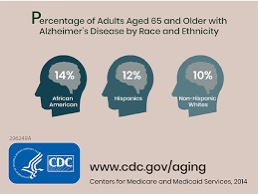
Alzheimer Care Coordination Payments

Alzheimer’s care coordination payments are financial incentives or compensation provided to healthcare providers or organizations to coordinate the care and support for individuals with Alzheimer’s disease or related dementias. The aim is to improve the quality of care, reduce medical costs and improve patient outcomes by having providers work together and share information. These payments may come from government programs, private insurance, or other funding sources.

The amount of care coordination payments can vary widely, depending on several factors such as the individual’s specific needs, the resources available, and the funding source. Some common funding sources for care coordination payments include Medicare, Medicaid, and private insurance, and the amount of compensation may differ based on these sources. For example, Medicare may provide a set payment for certain services related to care coordination, while Medicaid may have different payment rates based on the state and the individual’s specific needs. Additionally, private insurance plans may have different coverage and payment amounts for care coordination services. As such, it’s difficult to provide a specific dollar amount for care coordination payments, but they can range from a few hundred dollars to several thousand dollars per year.

Environmental Scan on Care Coordination in the Context of Alternative Payment Models (APMs) and Physician-Focused Payment Models (PFPMs)

This environmental scan was prepared at the request of the Office of the Assistant Secretary for Planning and Evaluation (ASPE) as background information to assist the Physician-Focused Payment Model Technical Advisory Committee (PTAC) in preparing for a theme-based discussion on the role care coordination can play in optimizing health care delivery and value-based transformation. The discussion will consider care coordination in the context of Alternative Payment Models (APMs) and physician-focused payment models (PFPMs).i The environmental scan is based on information that was publicly available relating to this topic in the literature and from discussions with previous PTAC proposal submitters and subject matter experts, current as of the time that the analysis was completed.

Health Insurance Providers’ Actions Concerning Mental Health

  • AllWays Health Partners has teamed up with Lyra Health to offer a new solution to expand the availability of mental health support and counseling. Through Lyra, members will be able to seek clinically proven mental health support, find high-quality providers tailored to their individual needs, and book appointments quickly with a therapist or coach by video or in-person securely and confidentially. Lyra will be rolled out in phases beginning June 2022.
  • AmeriHealth Caritas posted 5 questions that patients can use to find culturally competent mental health professionals. The questions include:
    • Does the provider ask about your problems in the context of your social network, such as family or friends, others in your community?
    • Does the provider ask you what you think the causes of your problems are?
    • Does the provider ask about the most important aspects of your background or identity and whether they make a difference to your problem (i.e. discrimination)?
    • Does the provider ask about barriers that have prevented you from getting the help you need, including any stigmas or social determinants of health?
    • If there are differences in your backgrounds, does the provider ask about your concerns around these differences and what your expectations are?
  • A 3-year grant provided by the Anthem Blue Cross and Blue Shield Foundation to the Chris Atwood Foundation will allow more individuals to seamlessly progress from treatment for substance use disorder, incarceration, or other high-risk transition points into a safe and supportive recovery housing environment. For the past 9 years, the Foundation has worked to save lives from overdose and support recovery from substance use disorder. The $150,000 Anthem grant will support the organization’s Revive to Thrive program and allow them to offer housing and peer support to 300 more individuals.
  • The Anthem Foundation has committed $13 million in grants to promote equity in mental health, particularly for people with substance use disorders. Each program will focus on one of the following goals: prevention and early intervention of risk factors that lead to substance use disorders, improved access and quality of treatment to reduce morbidity and mortality of substance use disorders, and community support to promote lifelong recovery. These grants are part of up to $30 million the Foundation plans to invest over the next 3 years to make significant progress toward reducing substance use disorders and their health impacts.
  • Anthem Blue Cross and Blue Shield, through its Student Advantage health plans, has entered into an exclusive partnership with Christie Campus Health to help colleges and universities address escalating rates of anxiety and depression reported on campuses throughout the country. The 2 companies will provide a student-centered mental health platform that helps counseling centers meet the high demand for services. Christie Campus Health currently helps over 40 colleges and universities bring timely and accessible mental health and wellbeing support to more than 430,000 students. Christie Campus Health’s CONNECT@College product will allow Anthem Student Advantage to offer a comprehensive solution that focuses on both the physical and emotional wellbeing of today’s college student.
  • Anthem has launched a number of specific physical and mental health/substance use disorder (MH/SUD) health integrated care management and outreach programs utilizing predictive modeling related to comorbid conditions that include licensed clinicians and peer/wellness and recovery coaches. These programs include Cardiac Pain, Sleep Apnea, Predictive High Utilizing Alcohol and Opioid Users, and Suicide Prevention. Additionally, to meet the needs of members with complex conditions, Anthem created the High Outreach to Promote Engagement (HOPE) program. These populations have the highest rates of multiple chronic conditions and higher than average emergency room visits and inpatient admissions for both MH/SUD and physical health. Case managers in this program take a broad view of a patient’s whole health and assist consumers in a variety of ways, including providing transportation or coordinating doctor appointments. Anticipating and supporting member’s needs before and after they need medical care significantly improve member outcomes and lower healthcare costs. By anticipating and supporting members’ needs, Anthem has decreased major incidents such as ER visits and inpatient hospitalizations by 50%.
  • To respond to growing needs throughout its 72,000-square-mile footprint, Avera Health Plans opened a new four-story wing as part of its Avera Behavioral Health Hospital in Sioux Falls.The Helmsley Behavioral Health Center adds 60,000 more square feet of space for treating psychiatric needs among children, youth, and adults. This wing adds several new services including 24/7 Behavioral Health Urgent Care, observation care, youth addiction care services, and partial hospitalization for youth.The wing also will house Avera’s senior behavioral health unit, which is currently located on the Avera Prince of Peace campus. This will provide an opportunity to add to the continuity of mental health services while enhancing and expanding this program. In total, Avera Behavioral Health Hospital will have 146 inpatient behavioral health beds plus 8 addiction residential beds for adolescents – all private rooms.
  • Beacon Health Options has partnered with the Kennedy-Satcher Center for Mental Health Equity (KSCMHE) to address behavioral health equity ahead of the 988 suicide prevention lifeline launch in July. The partnership centers on 2 main components: a research and policy initiative that imagines equitable crisis response for the future of behavioral health service delivery, and a leadership summit to explore how to embed equity into crisis response. Some recommendations for embedding behavioral health equity into state and local 988 systems include:• Prioritizing visibility of groups that are historically excluded or inadequately reached by psychiatric emergency systems
    • Deploying law enforcement in psychiatric emergency response only as needed
    • Leveraging mobile crisis units staffed by culturally competent staffBeacon Health Options is a wholly-owned subsidiary of Anthem.
  • Blue Shield of California posted a back-to-school mental health Q&A with Dr. Nicole Stelter, Blue Shield’s Director of Behavioral Health. Dr. Stelter discussed the growing mental health crisis adolescents are facing, as well as steps students, parents, and teachers can take to support youth mental health.
  • Blue Shield of California is investing in 4 organizations that are working to support youth mental health in California. In total, Blue Shield of California is providing more than $1.1 million to the 4 organizations. Mental illness is the number one reason children in the state are hospitalized, and half of all lifetime cases of mental illness begin by the age of 14. The support is part of Blue Shield of California’s BlueSky Initiative, which provides resources and support for youth, families, educators, and caregivers to promote emotional well-being for youth. Over the last year, BlueSky and its programs almost doubled the number of educators it trained to spot warning signs of mental health concerns in youth, conducted more than 4,000 counseling sessions, and supported cultivating a pipeline of diverse youth to work in the mental health field. The new financial support will continue enhancing these mental health supports with a focus on reducing health disparities.
  • A recent Blue Shield of California post shared important points for seniors about behavioral health, mental health stigma, the pandemic’s effect on this health issue, and how treatment and self-care can help. Getting treatment sooner rather than later is important, and seniors should start by making an appointment to see a primary care doctor or a mental health care professional to discuss whether treatment might help, said Jennifer Christian Herman, vice president, Mindbody Medicine at Blue Shield of California.
  • Funding from Blue Shield of California’s BlueSky youth mental health initiative has let the National Alliance on Mental Health (NAMI) California expand its On Campus High School clubs throughout the state, increasing membership from 1,051 in 2020 to 1,271 participants in 80 clubs across 16 counties in 2022. The clubs provide peer-led support for students with mental health conditions, students whose family members have a condition, or students who are interested in the field or in advocacy – all focused on the goal of reducing mental health stigma among youth.
  • The Health Care Service Corporation is providing access to an online self-service platform to help fill a gap for some untreated members who have been reluctant to seek care or had difficulty finding it. The platform, provided by an independent company called Learn to Live, offers around-the-clock mental health assessments and online cognitive behavioral therapy (CBT) for mild to moderate depression, substance use, social anxiety, insomnia, and stress, worry, and anxiety. It is available at no added cost to 11 million members, starting at 13 years of age, in most group health plans across its communities in Illinois, Montana, New Mexico, Oklahoma, and Texas.
  • Blue Cross and Blue Shield of Montana awarded 4 nonprofits with a $70,000 Big Blue Sky Initiative major grant through the Healthy Kids, Healthy Families® program. All 4 grant recipients will use the funds to help improve pediatric behavioral health. In addition to the 4 grants, Blue Cross and Blue Shield of Montana also made a $15,000 grant to NAMI Montana to bolster the organization’s mission to support, educate, and advocate for Montanans with mental illnesses and their families.
  • Blue Cross and Blue Shield of Montana (BCBSMT) is providing access to an online self-service platform to help fill a gap for some untreated members who have been reluctant to seek care or had difficulty finding it. The platform, provided by an independent company called Learn to Live, offers around-the-clock mental health assessments and online cognitive behavioral therapy (CBT) for mild to moderate depression, substance use, social anxiety, insomnia, and stress, worry and anxiety. It will be available at no added cost to members at least 13 years old in most of group health plans.
  • Blue Cross and Blue Shield of Montana is becoming more strategic in coordinating access to life-saving behavioral health services for members throughout the state — particularly in its most isolated areas. BCBSMT launched Big Blue Sky Initiative in 2018 to help fight opioid abuse, rising suicide rates, and methamphetamine and heroin epidemics. The company also helped fund a new psychiatry residency to bring more mental health professionals to Montana, as well as other programs. To improve access, leaders are working with providers and policymakers to develop care models that will keep members closer to home and reduce obstacles to care, including expanded telehealth services. The effort is part of a larger initiative to create more medical and behavioral health access and better care management for BCBSMT members no matter where they live.
  • New Mexico Kids Matter received a $25,000 grant from Blue Cross and Blue Shield of New Mexico’s Healthy Kids, Healthy Families® initiative. The grant will support New Mexico Kids Matter’s Successful Transitions and Adulthood Readiness (STAR) Program, which works to prepare teen foster youth for their transition out of foster care and into healthy and safe adulthood and independent living situations. Studies have shown youth who spent their teenage years in foster care and/or aged out of the foster care system suffered significant challenges as adults in the areas of mental health, education, employment, and finances. Without intervention, these youth have a higher likelihood of violence, homelessness, incarceration, and poverty in their adult lives.
  • Jardin de los Niños has received a $25,000 grant from Blue Cross and Blue Shield of New Mexico’s Healthy Kids, Healthy Families® initiative. The grant supports Jardin de los Niños’ Flourishing Families Infant Mental Health and Wellness Program, which provides direct therapy services to homeless and near-homeless children and their families to address trauma. The grant also supports an anti-hunger component that provides healthy and nutritious meals to address food insecurity.
  • Blue Cross and Blue Shield of North Carolina is expanding its network of behavioral health providers through a collaboration with Headway, a mental health care company that works with insurers to deliver high-value mental health care. Together the 2 companies will make it easier for Blue Cross NC members to quickly access – as soon as 48 hours – in-network therapists and psychiatrists who meet their specific needs. The focus of the collaboration is on improving access to care for underserved communities, including rural and socially vulnerable counties, children and adolescents, and individuals across diverse racial and ethnic backgrounds.
  • Blue Cross and Blue Shield of North Carolina is investing more than $2 million to support 11 organizations across North Carolina to improve access to behavioral health care services in rural and marginalized communities and in HPSAs (Health Professional Shortage Areas). This funding initiative is part of Blue Cross NC’s statewide commitment aimed at addressing and eliminating racial, health, and geographical disparities in North Carolina and supports the company’s goal to improve access to behavioral health care in rural and underserved communities by 25% in 5 years.
  • Blue Cross and Blue Shield of North Carolina has announced a new collaboration with Mindoula to help address the complex health needs of members with serious mental illness and/or substance use disorder. The program leverages expertise from the tech-enabled behavioral health management company to expand access to behavioral health services and will launch on January 1, 2023. Blue Cross NC will work with Mindoula to directly address the mental health crisis and health care shortage in North Carolina by providing tech-enabled support that expands outpatient behavioral health care to members in the greater Triangle area, as well as eligible members outside of North Carolina.
  • Blue Cross and Blue Shield of Oklahoma has made a grant to the National Alliance on Mental Illness of Oklahoma to support mental health efforts focused on young children. The grant will support the “Meet Little Monster” coloring and mental health activity book created for young children to express and explore their feelings as well as to help foster dialogue between children and the safe adults in their lives. The book is available in English and Spanish for families, organizations, teachers, and young people across Oklahoma at no cost.
  • The CalOptima Board of Directors has authorized a grant agreement of up to $1 million to support the Be Well Orange Campus, a mental health and substance use treatment facility in Orange. The grant will enhance intake and admissions coordination services for CalOptima Medi-Cal members who need behavioral health services. The two-year grant will ensure CalOptima members have timely access to services, assessment and placement into care through an improved intake and coordination process at the Be Well Orange Campus. The cost of coordination includes staffing, training and development, administrative services, and a phone system upgrade.
  • The Cambia Health Foundation has invested more than $300,000 in non-profit organizations that are part of the National Suicide Prevention Lifeline system. The goal of the investments is to support, expand, diversify, and train the behavioral health workforce.
  • CareFirst BlueCross BlueShield is collaborating with Headway, a tech-enabled company that expands access to in-network mental health care by removing barriers faced by providers, payers, and the people they serve, to support CareFirst’s mental healthcare system. The collaboration will help eliminate obstacles to providing and accessing behavioral health while delivering quality, easy-to-access mental health care for all members. Headway’s secure online platform is available to CareFirst’s network of mental health providers at no cost and will enable efficient scheduling, billing and more. This allows providers to focus on quality care delivery, rather than administrative tasks.
  • CareOregon has provided Lutheran Community Services Northwest with a $79,867 grant to help make more culturally specific mental health resources available to newly arriving and already resettled Ukrainian refugees in the region. The funds from the grant will be used to hire 1 additional full-time peer support specialist and 1 Ukrainian speaking clinician that will support the increasing demand for care. The grant will also help fund additional support for the broader Ukrainian community. The peer support specialist will provide timely support to Ukrainian refugees to help address mental health and trauma and connect clients to the appropriate services and resources. Services include individualized psychological first aid such as mental health counseling, emotional support groups, workshops to aid in resettlement and referrals for any additional needs like wellness exams, immunizations, housing, employment and more.
  • CareOregon announced that it has awarded $210,000 in community giving grants to nine local nonprofit organizations that provide social support and improve access to medical care for seniors, communities of color and other underrepresented communities across the Portland metropolitan region. Among the grants awarded, CareOregon is investing $50,000 in Lines for Life’s Cultural Engagement Initiative, which prioritizes the mental health needs of communities of color. The funding will support Lines for Life’s effort to reach 1,500 community members who identify as Black, Indigenous, and from other communities of color with mental health support through direct outreach by community health workers and hosting community-wide events that aim to reduce stigma.
  • CareOregon and the Alliance for Culturally Specific Behavioral Health Providers have codesigned a payment model to improve health outcomes for Oregon’s communities of color. Numerous national studies have shown that these communities are disproportionately impacted by lack of access to mental health support. Over the past 2 years, the collaboration has hit several milestones, most recently resulting in expanded payments for culturally specific providers that leverages both traditional payment models by increasing rates and Health Related Service dollars to compensate providers for time invested in outreach and engagement activities. These changes will result in an increase of up to 20% in payment to culturally specific providers.
  • CareSource is collaborating with Clarigent Health to bring artificial intelligence to behavioral health providers in Ohio. Clairity, Clarigent Health’s software tool, analyzes speech with artificial intelligence trained to identify patients at risk of suicide. Behavioral health providers in the Ohio Children’s Alliance (OCA) and Ohio Behavioral Health Provider Network (OBHPN) can now be reimbursed through CareSource when using Clairity. Between the 2 networks, more than 265,000 families and youth will have access to the technology.
  • The CareSource Foundation has awarded Overdose Lifeline, Inc. a more than $178,000 grant to improve the prevention of and response to opioid overdoses in Indiana schools. These funds will provide school partners with the emergency, life-saving medication naloxone, develop a custom training course for school staff and connect schools to evidence-based prevention programs.
  • CareSource has announced a new option with the Montgomery County Board of Developmental Disabilities (MCBDDS) and I Am Boundless to provide respite care for parents and other caregivers of people with intellectual and developmental disabilities (I/DD) and behavioral health challenges. This new collaboration will provide respite services to those families with I/DD youth. Services such as after-school and day programming, and therapeutic supports will be embedded in each respite opportunity.
  • Centene has launched an all-employee training on Mental Health and Substance Use Disorder Parity to educate employees on parity law and outline Centene’s policies that ensure delivery of benefits that do not discriminate against individuals with mental health conditions or substance use disorders. Centene also maintains youth and adolescent programs focused on mental health, including the Choose Tomorrow™ Suicide Prevention Program, which uses evidence-based practices to screen for suicide risk, develop member-driven safety planning, provide connection to community resources, and monitor members’ treatment progress to prevent suicide.
  • Centene is a driving partner in solving the problem of social isolation in schools through No One Eats Alone® Day, created by the nonprofit Beyond Differences and sponsored by The Centene Charitable Foundation. Mental well-being is especially important now as youth continue to experience stressors from the COVID-19 pandemic. Centene health plans across the country helped raise awareness by hosting virtual and in-person events in February and March to encourage inclusion and teach children how to combat isolation. They worked with 108 schools across 10 states, engaging at least 48,500 students in educational and fun activities.
  • Centene recently released a white paper entitled, “Advocating for the Mental Health of Medicare Recipients.” The white paper notes the important role Medicare plays in the more than 63 million Americans who received Medicare benefits in 2021 and the unique challenges the Medicare population faces.The white paper also highlight’s Centene’s role in keeping people enrolled in Medicare healthy, stating: “While recent policy changes have improved access to mental health services for Medicare beneficiaries, there is still work to be done to ensure they can easily receive the care they need to live healthier, higher-quality lives. As an industry leader and one of the largest Managed Care Organizations in the country serving many of our nation’s most vulnerable citizens, Centene is committed to ensuring the mental wellbeing of Medicare beneficiaries through access to high-quality care, innovative programs, and a wide range of health solutions.”
  • The Cigna Foundation has made more than $3 million in grants to local nonprofits to help address childhood hunger and mental health concerns as schools return to session. Programs spanning communities in 16 states will receive critical financial support enabling them to positively impact thousands of children across the country. All grants are made available through Cigna Foundation’s Healthier Kids For Our Future® program, a 5-year, $25 million global initiative focused on improving the health and well-being of children. Since its inception in 2019, the program has awarded more than $18 million in grants.
  • Cigna Chairman and CEO David M. Cordani unveiled new findings about the growing mental health crisis among teenagers and the impact it is having on parents, both at home and work. Cigna and Evernorth, its health services business, commissioned the study from Economist Impact to examine the mental health effects of the COVID-19 pandemic on teenagers and their parents. The study was conducted in April 2022 and key findings include:
    • Approximately 80% of working parents reported some form of impact on the mental health of their teenage children as a result of the pandemic, including new or increased levels of anxiety, depression, behavioral issues, and problems with social interactions.
    • Nearly one in five working parents reported a negative impact on their work performance and productivity because of concerns about their child’s mental health.
  • Aetna, a CVS health company, and Psych Hub have launched an Adolescent Treatment Training Series to meet the urgent needs of youth and young adults. This joint effort arms the 283,000 behavioral health and employee assistance program providers in Aetna’s commercial network, Aetna’s internal clinicians, and CVS Health’s licensed counselors at MinuteClinics in select HealthHUB locations with access to a no-cost, evidence-based curriculum in the form of courses and resources to identify and treat adolescents and young adults along a full continuum of care, from prevention through intervention, for those at risk of suicide.
  • CVS Health is providing support to the National Association of Free and Charitable Clinics, the American Foundation for Suicide Prevention, and Mental Health America, in recognition of Mental Health Awareness Month. The support is focused on equitable, quality access to mental health care services and resources, particularly among the Black, Indigenous, and People of Color (BIPOC) community. A recent CVS Health/Morning Consult survey of Americans age 18+ also found that mental health concerns are continuing to rise among individuals of all backgrounds, especially Black, age 65+, young adult, and LGBTQIA+ respondents. The survey also found more Americans agree that the pandemic has made them more comfortable seeking support for mental health and using technology to address it.
  • Elevance Health is working to address the behavioral and mental health care needs of all members, at every age. Through the Sydney Health app, for example, a spectrum of care delivery options is available: digital, virtual, and in-person. Sydney Health can connect eligible members to a virtual text visit or a video visit with a behavioral or mental health provider such as a therapist or counselor. The app allows users to get important information about benefits and claims, track progress toward health goals, access a member ID card, and more. Elevance Health is also dedicated to advancing health equity through a “health equity by design” approach. This approach is personalized and intentional, ensuring that people can receive individualized care.
  • The Florida Blue Foundation is making a $3.8 million investment to enhance mental health for Florida’s children, families, and seniors. Twelve nonprofit organizations across the state share in the investment, which will support community-based programs that directly improve access to and quality of mental well-being services, particularly for the underserved and uninsured, including racial and ethnic minorities, and low-income populations. The investment will provide mental health counseling and education in schools for under/uninsured students and provide a safe environment for mental and emotional healing for members of the LGBTQ+ community, transgender individuals, victims of hate crimes, and LGBTQ+ seniors, in addition to supporting other mental health programs.
  • Highmark is encouraging members to focus on mental health in 2022 and is reminding them of resources that are available to better manage stress, anxiety, and depression. One new option for members is Meru Health, a 12-week evidence-based program to treat depression, anxiety, and burnout that mixes a clinical human touch with technology, self-care, and data via a discreet smartphone app. The 12-week treatment program includes consultation with a dedicated licensed therapist, evidence-based video lessons, guided mindfulness practices, habit-changing activities, and anonymous peer support groups, all done on a mobile device. Members will also have access to on-going support following the completion of the 12-week program.
  • Horizon Blue Cross Blue Shield of New Jersey members have access to Equip as an in-network option. Equip offers Family-Based Treatment for eating disorders through a 5-person virtual care team including a therapist, dietitian, medical provider, peer mentor, and family mentor. Equip is designed to replace the residential level of care and support families throughout their journey to really be the last treatment they will need.
  • Horizon Blue Cross and Blue Shield of New Jersey is offering eligible members access to MindRight Health, a mental health coaching service that leverages texting to provide coaching and emotional support to young adults ages 13 to 25. Once users sign up on their phones (no face-to-face meeting or phone call required), they can receive guidance from a team of coaches supervised by licensed mental health clinicians.
  • Independence Blue Cross released a video featuring Independence and community experts discussing how the COVID-19 pandemic has changed the ways in which people think about mental health and access behavioral health services. The video discussed changes in the workplace, the increased use of telemedicine, persistent disparities in health care, and how Independence can support young people who have suffered losses during this time.
  • Independent Health highlighted the mental and physical health benefits of yoga at the 2nd annual Yogathon for Suicide Awareness & Prevention, presented in conjunction with Power Yoga Buffalo. The Yogathon helped raise awareness of suicide prevention as well as funds to benefit mental health programs at Mental Health Advocates of WNY.
  • Independent Health has been awarded the 2022 platinum Bell Seal for Workplace Mental Health by Mental Health America (MHA). The Bell Seal is a workplace mental health certification that recognizes employers who strive to create mentally healthy workplaces for their employees. Independent Health is the only organization in Western New York to be certified by MHA. Independent Health’s status as a platinum-level Bell Seal-certified organization demonstrates the company’s ongoing commitment to employee mental health and well-being, which in turn is instilled in the company’s wellness and mental health programming for its employer groups and members.
  • Kaiser Permanente has awarded a 2-year, $125,000 grant to the Boulder Valley School District to bolster ongoing efforts to increase mental health among teachers, staff, students, and their families following the recent Marshall Fire. The grant will help the district expand an existing Kaiser Permanente initiative called Resilience in School Environments, or RISE. The program provides emotional support and trauma-informed training to staff members, who then help other staff members and students. The grant will extend support for staff members, students, and families who are experiencing traumatic stress following the Marshall Fire.
  • A mental health initiative developed by Kaiser Permanente and esports organization Cloud9 has been found to be an effective way of supporting the mental health of young adult esports players and fans, according to a new study from the NEJM Catalyst. Presence of Mind launched in May 2020 with the goal of reaching teens and young adults with positive mental health messages in places where they spend a lot of their time: online gaming and esports platforms. The initiative includes 2 seasons of live Twitch Stream series featuring prominent players; mental health experts and influencers; creator-led YouTube video content from some of esports’ favorite players sharing insights, positivity, and personal mental health messages; and a series of free, online interactive training sessions to help address critical mental health issues. As of May 2022, the training sessions have been accessed by more than 51,000 teens and young adult gamers who have learned how to better manage their mental health and support their friends when they need it most.
  • A telehealth program at Kaiser Permanente Northern California (KPNC) is expanding support for people with serious, persistent mental illness by adding psychiatric clinical pharmacists to their care teams. The care teams deliver a package of comprehensive care for a highly vulnerable patient population, who are more likely to have chronic conditions such as diabetes and hypertension and a lifespan shortened by 10 to 25 years. The program takes advantage of a growing workforce of clinical pharmacists with 2 years of postgraduate training in psychiatry. Working closely as a team with the patient’s psychiatrist and other clinicians, clinical pharmacists act as care navigators, establishing an ongoing partnership with patients through regular video and telephone appointments.
  • Kaiser Permanente adult members in Colorado now have access to a 90-day subscription to Ginger, an on-demand mental health care solutions provider. Ginger provides confidential emotional support through on-demand coaching via text-based chats and skills-building content. Eligible members can use their smartphone to connect with a highly trained emotional support coach 24/7 — at no cost and with no referral or appointment needed. The private, one-on-one texting sessions provide support in coping with common challenges such as managing stress or getting better sleep.
  • Kaiser Permanente in Hawaii has awarded a $500,000 grant to Mental Health America of Hawaii to support its youth resilience and wellness training and education program. The program will provide 1,300 youth and youth-serving adults with evidence-informed suicide prevention and bullying prevention training over 6 months and will enable Mental Health America of Hawaii to increase training to individuals in rural areas of Oahu, Hawaii Island, and Kauai.
  • Magellan Healthcare will hold a series of virtual events in support of Suicide Prevention Awareness Month and Recovery Month in September. Magellan will host events Sept. 14 and 22 focused on suicide prevention, and recovery from mental health and substance use conditions.
  • Magellan Health, Inc. has opened a complimentary 24-hour crisis line for individuals impacted by gun violence in Chicago and surrounding communities. Magellan confidential consultation services are offered at no charge to the communities to assist individuals as they work to cope with the feelings of fear, sadness, anger, or hopelessness related to these kinds of incidents. Crisis line callers may also seek information and guidance to other available resources, such as community-based support.
  • Magellan Health subsidiary Magellan Federal has launched a program that provides United States military families with personalized, digital mental health and well-being support by combining NeuroFlow’s technology with evidence-based resources and clinical support provided by Magellan Healthcare. The 18-month long first phase will be launched on three installations through the Military & Family Life Counseling (MFLC) program. NeuroFlow will supplement Magellan’s MFLC counseling services to provide service members and their spouses with personalized, self-directed mental health resources, tools, and support, all from a smartphone. Member usage of NeuroFlow will also produce de-identified, population-level data to highlight mental health trends at each installation without compromising an individual service member’s privacy.
  • Magellan Health has opened a complimentary 24-hour crisis line for individuals impacted by the elementary school shooting that occurred in Uvalde, Texas. The line is available to all Superior HealthPlan members and the local community. The toll-free number to access free, confidential consultation services is 1-800-327-7451. Magellan confidential consultation services are offered at no charge to the community to assist individuals as they work to cope with the feelings of fear, sadness, anger, or hopelessness related to these kinds of incidents.
  • Magellan Healthcare has launched a Digital Emotional Wellbeing program that helps members improve overall health and wellbeing, manage stress, and build resilience in a confidential manner. Participating Magellan members with emotional concerns who use the NeuroFlow app or website receive recommendations and have access to activities to help them improve their overall health. Activities include evidence-based videos, articles, and behavioral trackers, as well as Magellan’s digital cognitive behavioral therapy programs, FearFighter® for anxiety and MoodCalmer® for depression. These activities will provide members with personalized, self-directed behavioral health resources, tools, and support, all from the secure, anonymous convenience of NeuroFlow’s app and website.
  • Magellan Healthcare is offering resources to support the emotional wellness of first responders, health care workers, and the National Guard in Idaho who are serving on the front lines of the coronavirus pandemic. Magellan continues to make available a free, confidential 24-hour crisis line. This is available for all first responders, health care workers, and the Idaho National Guard citizen soldiers and airmen. Critical care workers coping with feelings of fear, sadness, anger and hopelessness can call the toll free 1-800-327-7451 (TTY 711) to speak directly with a licensed mental health clinician and receive information on community-based support.
  • Magellan Health launched eMbrace, an industry-first total wellbeing solution for employers with more than 500 employees, on April 1, 2022. The solution aims to help people move from suffering and struggling in their everyday life to thriving. eMbrace is built to address multiple areas of an individual’s life, proactively assessing if they are thriving, struggling, or suffering across six essential elements: career, social, financial, physical, community, and emotional. eMbrace also includes a special version of the Gallup® WellbeingFinder™ that offers employees a personalized wellbeing plan addressing all six elements. Employees are directed to services and resources that address their pressing needs first, from legal, financial, and identity theft services to digital cognitive behavioral therapy modules, coaching, and counseling.
  • Martin’s Point Health Care has released an update focused on helping men make mental health a priority. The update covers several steps men can take, including connecting with others, taking care of yourself, and talking to your doctor. Mental health struggles are linked to the increase in deaths related to alcohol and drugs, and 1 in 4 adults with mental health disorders also struggle with substance abuse.
  • Medica has introduced 2 new support programs to help simplify the mental health care experience and connect children and their families to the support they need. The Family Support Program provides clinical expertise and care navigation support to caregivers of children with complex mental health needs, while the Family Support Navigator is an interactive online tool that helps parents and caregivers find the right resources for children who may have autism or depression. Both programs are available to Medica members who have children with complex mental health needs.
  • MHS Indiana highlighted the mental health supports available to members, including access to MyStrength, a free resource that includes tools to hep reduce stress, anxiety, depression, and substance abuse. MHS also maintains a 24-hour crisis text line, where members can speak with trained crisis counselors, and offers members access to Teladoc for non-emergency issues.
  • Molina Healthcare of New Mexico has partnered with Pyx Health to expand access to behavioral health services for Molina’s Medicare members. Through a screening process, working with members and data, the Pyx Health platform gauges the emotional state of users. This data is then monitored by support staff that provides actionable recommendations for how to respond, such as calling a user to address their behavioral health needs or offering support during a rough time. By providing access to this platform, Molina will improve behavioral health outcomes for its members.
  • Molina Healthcare of California has partnered with WEconnect Health Management, giving Molina’s network providers access to the WEconnect Recovery mobile platform to support Molina members dealing with substance misuse and mental health challenges. The app provides a supportive environment to Molina’s Medi-Cal members engaged in the recovery process by delivering critical resources to their phones. WEconnect facilitates daily reminders, medical appointment alerts, and rewards milestones with incentives in the form of gift cards for CVS, Safeway, and Amazon, among others. Members also have access to mobile recovery meetings throughout the day and exclusive Molina-enabled peer recovery support services for on-demand, one-on-one support.
  • Molina Healthcare of California has partnered with BeMe Health, a digital behavioral health company, to provide Molina Medi-Cal members, ages 13 to 19, with access to digital tools, content, and support designed to tackle some of the most prevalent mental and social challenges facing today’s teens. The offering will provide young Molina members with activities, one-on-one coaching and more through an interactive mobile app designed to help teens feel acknowledged and empowered. The app features digital tools and interventions to teach teens coping skills, provide support for issues they may be facing, and offer engaging content that can help take the focus off daily struggles and challenges. In addition, teen members will have access to clinical services, with parental consent, and crisis support.
  • The MolinaCares Accord, in collaboration with Molina Healthcare of Washington, recently committed $400,000 to the University of Washington School of Nursing to help expand the behavioral health workforce in the state through the development and implementation of a blended family and psychiatric primary care curriculum for nurse practitioners.
  • The MolinaCares Accord, in collaboration with Molina Healthcare of Washington, has announced a $77,000 grant to SPARK, an organization dedicated to providing a career pathway for youth and students to become certified peer counselors in the state of Washington. The grant is just one component of MolinaCares’ Behavioral Health Initiative, an over $700,000 philanthropic effort to expand access to behavioral health care across Washington. The funds donated to SPARK will go toward the identification, outreach, training, and placement of youth peer supports in the state.
  • The Molina Healthcare Charitable Foundation, in conjunction with Molina Healthcare of Florida and in partnership with the Federation of Families of Central Florida, recently welcomed families to the MolinaCares Youth Festival. The event focused on supporting the growing number of young people and families affected by mental illness. This year, through a $15,000 grant from the Foundation, the Federation of Families of Central Florida is hosting monthly group meeting for teens and young adults centered on improving mental health. In those meetings, participants engage in activities and listen to speakers, while being encouraged to find creative outlets as part of the healing process.
  • The MolinaCares Accord, in collaboration with Molina Healthcare of Washington, has presented a $100,000 grant to support Compass Health’s Broadway Campus Redevelopment Project. The grant will help fund construction of a 72,000 square-foot facility that will expand community-based behavioral health care services and its workforce in northwest Washington. The grant is a part of The MolinaCares Behavioral Health Initiative to increase access to behavioral health across the state.
  • Eleanor Health, an outpatient addiction and mental health provider is collaborating with Point32Health on a program to support Tufts Health Plan MassHealth members with substance use disorders and other mental and physical health comorbidities. The value-based program uses a population health management model and provides patients with comprehensive care including access to medications for substance use disorder, psychiatry and mental health care, group and individual therapy, nurse care management and peer support.
  • Members of Regence Health Plans have access to a wide range of behavioral health care, from traditional in-person therapy to specialized virtual care. To improve access to care, Regence added more than 1,500 new behavioral health providers to its network in 2022. To support members in rural areas with little access to care, Regence has added virtual care providers available nationwide who specialize in everything from substance use disorder to individual therapy to child and family therapy, obsessive-compulsive disorder and more. Regence’s dedicated behavioral health team continually evaluates and contracts with virtual care providers that would add unique value to its array of resources for members seeking support. Regence is continuing an $11.5 million multi-year philanthropic initiative to increase access, improve quality of care, and reduce mental health stigma. Additionally, approximately $4 million of investments were made from its corporate foundation in 2021 to increase access to mental health support for people living in rural communities across Idaho, Oregon, Utah, and Washington.
  • Security Health Plan’s new partnership with Freespira, Inc., maker of the first FDA-cleared digital therapeutic treatment for panic attacks, panic disorder and post-traumatic stress disorder (PTSD), will provide many members with a clinical alternative to current treatments. Freespira works by addressing the underlying physiological factors behind panic attacks and post-traumatic stress disorder. As an adjunct to medications and counseling therapy, the treatment normalizes breathing irregularities developed in response to underlying carbon dioxide (CO2) hypersensitivity. The Freespira treatment provides users with real-time physiological feedback-based training to regulate their respiration rate and exhaled CO2 levels. Telehealth coaching guides patients throughout the 28-day care journey to deliver maximum benefits from the twice daily, 17-minute treatments.
  • Security Health Plan and Marshfield Medical Center-Rice Lake are investing in a mental health program from the Turtle Lake School District. School Pulse is an anonymous, interactive program that works to improve the mental health of students. The program provides social and emotional support to students through their cell phones and helps promote mental wellness and decrease suicide rates in young people. The School Pulse program uses texting to check in with students about their mental health 3 times a week, all year long. Students who wish to participate in the program will receive real-time help through open, anonymous communication through a platform that works just like texting.
  • Security Health Plan and Marshfield Clinic Health System are accepting applications from eligible school districts to implement b.e.s.t.® Universal Screening in the 2022-23 school year. b.e.s.t.® (Behavioral Emotional Social Traits) is an online screening tool designed to help education professionals build the emotional health of students and help identify students who may need additional positive behavioral support. The tool provides educators recommended actions to take with students based on their behaviors. Schools awarded a grant receive technical support, biannual screenings for students, and training consultation and support for teachers and staff.
  • Sharp Health Plan has released an update providing tips on finding the right mental health support. For example, there are many types of mental health professionals, including therapists and counselors, psychiatrists, and psychologists, all with distinct differences. Steps to take include thinking about your specific mental health needs, doing your research on what kind of mental health professional you’d like to see, and writing down question about things that are important to you before your appointment.
  • Sunflower Health Plan is partnering with the National Alliance on Mental Illness (NAMI) of Kansas to help increase access to educational resources for family members and supporters of those living with mental illness. Through the partnership, Sunflower will support NAMI’s Family-to-Family, a free, 8-session educational program for families, significant others, and friends of people with mental health conditions and Family Support Groups, peer-led support groups for adults with loved ones experiencing symptoms of a mental health condition. The groups allow family members to share their experiences and gain insight from the challenges and successes of others facing similar situations.
  • Sunshine Health recently sponsored the Volunteer Florida’s Healthy Minds Teen Summit, where roughly 75 Florida middle and high school student leaders gathered to talk about normalizing mental health as a critical self-care topic. Breaking the stigma was the number one topic for these teen leaders, who learned about strategies and resources to take back to their peers to help deal with everything from the stresses of everyday life, to dealing with severe trauma. Inspirational speakers helped motivate the teens and shared their stories about mental health. Former college basketball star turned business owner Iman MacFarland introduced three-time Olympic Gymnast Dominque Dawes.
  • Superior HealthPlan released a short video addressing mental illness and what Superior employees need to know about it. The video featured Dr. Sandy Vale, Superior’s lead behavioral health medical director, who talked about what mental illness is, warning signs, and potential treatments.
  • Sutter Health Plus members have premium access to Sanvello at no extra cost as part of their behavioral health care benefits through U.S. Behavioral Health Plan, California. Sanvello is an app that offers on-demand clinically proven techniques to manage symptoms of stress, anxiety, and depression as they happen. By answering a few questions in the Sanvello app throughout the week to assess mood and track activities like caffeine intake, sleep, and exercise, members can identify patterns in their behavior to make positive lifestyle changes. They can also create progress assessments using past mood and health ratings to discover new connections between their experiences and emotions.
  • Leaders at UCare and Kente Circle are seeking make it okay to discuss mental health issues with trusted barbers and stylists. The Confess Project – America’s First Mental Health Barbershop Movement – empowers frontline heroes to support their clients’ mental health and substance use disorder needs. The barbershop or hair salon is often a safe place for clients to discuss their concerns and needs. Armed with the Confess Project training, barbers and stylists will be able to say: “I am more than a pair of clippers. I am improving my community through the barber chair one client at a time.”
  • UCare and mental health providers Alluma and the Amherst H. Wilder Foundation have developed a pilot program to make it easier for prospective mental health professionals to join the field. Through the partnership, UCare will fund $100,000 in stipends for clinical interns as they complete the supervision necessary to graduate from and eventually be licensed in social work, clinical counseling, marriage and family therapy, and other mental health roles. Wilder and Alluma will provide thousands of hours of state mandated supervision at no cost. The pilot will focus on supporting clinical interns from cultural and ethnic minority groups, rural communities, and other underrepresented populations where the workforce needs are greatest.
  • UPMC Health Plan’s Special Needs Plan Severely Mentally Ill team provides community-based care management services to members with a serious mental illness diagnosis. The team services those with the highest needs of physical health and behavioral health indicators as identified by physical, behavioral and pharmacy claims utilization data in a rolling 12-month period. Goals of the program include: care integration for member physical health and behavioral health conditions, development of self-management skills and improved quality of life. Outcomes include improved HEDIS measures, as well as reductions in Emergency Department visits and inpatient admissions. UPMC’s Community Care Behavioral Health Organization, part of the UPMC Insurances Division, is also working with stylists and barbers to develop an innovative community engagement initiative known as Health Access Initiative for Recovery (Our HAIR). This initiative centers on partnering with barbers and stylists in Pittsburgh to build up black and brown communities through increasing familiarity with, comfort around and connection to resources related to behavioral health concerns seen within hair care settings. In the Our Hair initiative, hair stylists/barbers will have an opportunity to participate in a program that teaches them how to talk about and provide resources for mental health and drug/alcohol/substance use concerns within their communities. The goal is to increase engagement, education, and resource dissemination about behavioral health issues within historically underserved communities and to decrease the behavioral health care disparities between Black and White members.
  • UPMC Health Plan provides support to parents as they build resilience with their children to cope with the stresses of the pandemic and beyond. Teaching children the cognitive mental health techniques they need to excel will enhance their strength to overcome common psychological responses (such as insomnia or fear), health risk behaviors, and mental health conditions like depression and anxiety. UPMC providers continue to offer in-person and virtual appointments for members and UPMC Health Plan has several additional resources to assist in addressing children, youth, and parent/guardian behavioral health needs. RxWell, for example, is UPMC Health Plan’s evidence-based mobile app for ages 16 and older to help members become emotionally and physically healthy by building better lifestyle habits. The app combines health coaching support with provider-endorsed techniques, including self-guided exercises and other tools to help members manage stress, anxiety, and depression and reach their health-related goals. Currently there are 7 programs to choose from based on a member’s needs: Depression, Anxiety, Stress, Weight Management, Nutrition, Physical Activity, and Ready to Quit (tobacco cessation).
  • A team of investigators from UPMC Children’s Hospital of Pittsburgh found that a digital application may remove barriers to mental health care and is associated with reduced emotional distress when offered as part of routine pediatric care. The findings were published in Psychiatric Services. UPMC initially studied RxWell™, a digital application developed by UPMC Health Plan to support its members with management of depression and other health and wellness challenges and published positive outcomes in adult users.

New Jersey Health Care Quality Act (HCQA) and Provider Bill of Rights

The New Jersey Health Care Quality Act (HCQA), N.J.S.A. 26:2S-1 et seq. and rules establish certain rights AND responsibilities for health care providers that contract with carriers for business that is subject to the HCQA. Whether your contract with a carrier is subject to the terms of the HCQA depends upon whether the business for which you are to deliver health care services is subject to the HCQA.

The New Jersey Health Care Quality Act (HCQA), N.J.S.A. 26:2S-1 et seq. and rules establish certain rights AND responsibilities for health care providers that contract with carriers for business that is subject to the HCQA. Whether your contract with a carrier is subject to the terms of the HCQA depends upon whether the business for which you are to deliver health care services is subject to the HCQA.

The following rights apply to all health care providers:

The right to have your application to participate in the carrier’s network reviewed by a panel of health care providers, one of whom is knowledgeable in your scope of professional practice (but please note that this process and this committee may not be the same as the credentialing process or committee).

The right to submit the NJ Universal Physician Application or NJ Physician Recredentialing Application instead of carriers forms.

The right to receive a written decision regarding the application to participate within 90 days of providing the complete application.

The right to request and review the factors considered by the committee in reviewing applications.

The right to file complaints on your own behalf or on the behalf of your patient, with your patient’s consent, without fear of retaliation, and to have those complaints resolved.

The right to communicate openly with patients about all diagnostic testing and treatment options.

The right to act as an advocate for your patient in seeking appropriate, medically necessary health services.

The right to speak with the doctor who, acting on behalf of the carrier, disapproves or limits approval of a request for covered services, and receive a written statement denying the approval upon request.

The right to file with a carrier an internal Stage 1 and Stage 2 appeal of a disapproval or limited approval of covered services on behalf of your patient, with your patient’s specific consent.

The right to obtain a written decision at the conclusion of each stage of the internal appeal process explaining why the carrier’s prior decision is being upheld (if that is the case), and explaining how to proceed to the next level of appeal.

The right to pursue an external appeal through the Independent Health Care Appeals Program (IHCAP) on behalf of your patient, with the patient’s consent, and obtain a written decision from the Independent Health Care Appeals Program upon the conclusion of the appeal review process.

The right to receive a periodic accounting of withhold amounts.

The right to provide input in the clinical criteria and protocols adopted by the carrier, pursuant to a system for the provision of such input established by the carrier.

The right to appeal claims payment issues within 90 days following a claims determination, and then take matters of $1,000 or more to the New Jersey Program for Independent Claims Payment Arbitration (PICPA).

The right to aggregate claims to attain the $1,000 PICPA threshold.

The following additional rights apply to health care professionals:

The right to at least 90-days prior written notice of termination of the contract, and the right to request a hearing, if the termination is to occur on other than the renewal or anniversary date of the contract, unless the termination is based on a belief that you have committed a fraud, breached the terms of the contract, or are an imminent danger to a patient or the public health, safety and welfare.

The right to request a written reason for the termination, if one is not provided with the notice of termination.

The right to request a hearing within 10 business days of receipt of the notice of termination, and to have the hearing held within 30 days of the request for the hearing.

The right to have the hearing held before a panel of at least three people, one of whom is in the same or a substantially similar discipline and specialty as you, and to be present at the hearing with representation.

The right to receive in writing the decision of the panel within 30 days following the close of the hearing (unless the panel requests an extension). The decision must specify the reasons for the panel’s decision. If the panel recommends conditional reinstatement, the decision must include any conditions and time periods for conditional reinstatement, and the consequences for failing to meet the conditions.

Toolkit Managed Care Resource

The Managed Care Legal Database is a resource identifying how state and federal statutes and regulations address many issues that may occur between private payers and physicians, such as prior authorization, credentialing, network adequacy, out-of-network payment, and contract termination. The Database also contains relevant AMA policy, issue briefs, advocacy resources, model legislation, and a State Laws Map.

2023 Managed Care Resource Kit

The Managed Care Legal Database is a resource identifying how state and federal statutes and regulations address many issues that may occur between private payers and physicians, such as prior authorization, credentialing, network adequacy, out-of-network payment, and contract termination. The Database also contains relevant AMA policy, issue briefs, advocacy resources, model legislation, and a State Laws Map.

Payment Issues

Network Issues

Contract Changes / Disputes

Coverage / Utilization Review

Claims Processing