Introducing the Care MAP Tool: A Comprehensive Guide

Introducing the Care MAP Tool, designed to support healthcare providers in managing complex care needs. This user-friendly, Excel-based tool offers a structured framework for effective care coordination, resource allocation, and patient management. With modules for an overview and practical scenarios, plus a comprehensive resource library and FAQ section, the Care MAP Tool enhances care strategies and improves patient outcomes. Download it today and elevate your care management practices.

Effective care management is crucial in today’s complex healthcare landscape. To support healthcare professionals and organizations, we are excited to introduce the Care MAP Tool, a valuable resource designed to aid in complex care management. This blog will provide an overview of the Care MAP Tool, walk you through an example scenario, and offer access to a resource library and frequently asked questions (FAQ) section.

Module 1: Care MAP Overview

The Care MAP (Management and Planning) Tool is designed to support healthcare providers in managing and planning care for patients with complex health needs. This tool provides a structured framework to help clinics navigate the intricacies of care coordination, resource allocation, and patient management. Here’s what you can expect from the Care MAP Tool:

  • Framework for Complex Care Management: The tool offers a comprehensive structure to address the multifaceted needs of patients requiring intensive care management.
  • User-Friendly Interface: The Excel-based tool is intuitive and easy to navigate, ensuring that healthcare providers can quickly integrate it into their workflows.
  • Scalable and Adaptable: Whether you’re a small clinic or a large healthcare organization, the Care MAP Tool can be scaled and adapted to fit your unique needs.

Module 2: Example Scenario

To illustrate the practical application of the Care MAP Tool, let’s walk through an example scenario:

Scenario: Managing a Patient with Multiple Chronic Conditions

  1. Patient Overview:
    • Name: Jane Doe
    • Age: 65
    • Conditions: Diabetes, Hypertension, Chronic Obstructive Pulmonary Disease (COPD)
  2. Initial Assessment:
    • Medical History Review: Gather comprehensive information about Jane’s medical history, including past treatments, hospitalizations, and medications.
    • Social Determinants of Health: Assess factors such as living conditions, access to transportation, and social support.
  3. Care Coordination:
    • Interdisciplinary Team: Form a care team that includes primary care physicians, specialists, nurses, social workers, and community health workers.
    • Care Plan Development: Create a personalized care plan that addresses Jane’s medical and social needs, with clear goals and timelines.
  4. Monitoring and Evaluation:
    • Regular Check-ins: Schedule regular appointments and follow-ups to monitor Jane’s progress.
    • Adjustments: Modify the care plan as needed based on Jane’s response to treatment and changes in her condition.

Resource Library

The Resource Library is a curated collection of materials to further support your use of the Care MAP Tool. Here, you’ll find:

  • Guides and Manuals: Detailed instructions on how to use the Care MAP Tool effectively.
  • Case Studies: Real-world examples of the tool in action, showcasing its impact on patient outcomes.
  • Training Videos: Step-by-step video tutorials to help you and your team get up to speed quickly.

FAQ

To ensure you have all the information you need, we’ve compiled a list of frequently asked questions:

Q1: Who can use the Care MAP Tool?
A1: The tool is designed for healthcare providers, including clinicians, care coordinators, and administrative staff.

Q2: Is there a cost associated with the Care MAP Tool?
A2: No, the Care MAP Tool is available for free download.

Q3: How do I get support if I encounter issues with the tool?
A3: Support is available through our online helpdesk. You can also refer to the Resource Library for troubleshooting guides.

Care MAP Tool Download

By using the Care MAP Tool, you acknowledge that you have read and agree to the disclaimer below. If you share the tool, ensure that all individuals given access to it have reviewed and agreed to the disclaimer language before using it for any purpose.

Disclaimer: The Care MAP Tool is intended as a general framework to support considerations around complex care management in a clinic setting. It is not meant for final staffing, clinical, administrative, operational, and/or financial decision-making. Information obtained from this tool is not and should not be taken as legal or financial advice and is not a substitute for consulting a qualified professional. Community Initiatives does not accept responsibility for any loss that may arise from reliance on this tool.

Source Link:

Download Materials:


Feel free to reach out with any questions or feedback about the Care MAP Tool. Happy planning!
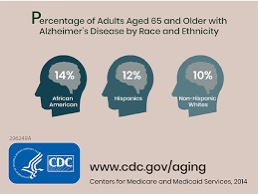
Alzheimer Care Coordination Payments

Alzheimer’s care coordination payments are financial incentives or compensation provided to healthcare providers or organizations to coordinate the care and support for individuals with Alzheimer’s disease or related dementias. The aim is to improve the quality of care, reduce medical costs and improve patient outcomes by having providers work together and share information. These payments may come from government programs, private insurance, or other funding sources.

The amount of care coordination payments can vary widely, depending on several factors such as the individual’s specific needs, the resources available, and the funding source. Some common funding sources for care coordination payments include Medicare, Medicaid, and private insurance, and the amount of compensation may differ based on these sources. For example, Medicare may provide a set payment for certain services related to care coordination, while Medicaid may have different payment rates based on the state and the individual’s specific needs. Additionally, private insurance plans may have different coverage and payment amounts for care coordination services. As such, it’s difficult to provide a specific dollar amount for care coordination payments, but they can range from a few hundred dollars to several thousand dollars per year.

Environmental Scan on Care Coordination in the Context of Alternative Payment Models (APMs) and Physician-Focused Payment Models (PFPMs)

This environmental scan was prepared at the request of the Office of the Assistant Secretary for Planning and Evaluation (ASPE) as background information to assist the Physician-Focused Payment Model Technical Advisory Committee (PTAC) in preparing for a theme-based discussion on the role care coordination can play in optimizing health care delivery and value-based transformation. The discussion will consider care coordination in the context of Alternative Payment Models (APMs) and physician-focused payment models (PFPMs).i The environmental scan is based on information that was publicly available relating to this topic in the literature and from discussions with previous PTAC proposal submitters and subject matter experts, current as of the time that the analysis was completed.

How Are Physicians Paid?

Payors use a variety of reimbursement methodologies and reimbursement structures. Several reimbursement methodologies might be combined in a single arrangement with a payor, often as a means of transitioning to “value-based” payment. Reimbursement methodologies may include the following:

How Are Physicians Paid?

Payors use a variety of reimbursement methodologies and reimbursement structures. Several reimbursement methodologies might be combined in a single arrangement with a payor, often as a means of transitioning to “value-based” payment. Reimbursement methodologies may include the following:


Fee-for-service reimbursement

fixed reimbursement amounts per item or service furnished, commonly negotiated in a physician participation agreement with the plan. At base, the “plan” pays the cost of medical care, while the “payor” is an entity responsible for the processing of patient eligibility, services, claims, enrollment, or payment.


Direct to Employer

direct and unique arrangements between physicians and ERISA self-funded plans for discrete categories of care.


Care coordination

payment for care coordination activities, often with a focus on population health management.


Quality incentives

payment is based in part on achieving pre-set quality of care metrics across an assigned population of members.


Bundled payments

fixed prospective or retrospective reimbursement for a defined bundle of services that can be furnished by different physicians (e.g., hip/knee replacement).


Shared savings

potential upside-only reimbursement, in addition to fee-for-service reimbursement, when aggregate population health care costs are less than a predefined baseline amount. The “savings” are shared between the payor and the physician.


Shared risk

potential upside or downside reimbursement, in addition to fee-for-service reimbursement, depending on whether aggregate population health care costs are more or less than a predefined baseline amount. The “savings” or “losses” are shared between the payor and the physician (or among physicians).


Full or partial capitated payments

A per-member, per-month reimbursement to provide all (or a defined subset of) covered services without reference to volume, utilization, or costs. There is typically no separate fee-for-service payment from the payor, except for specified carved-out services.