ROI Calculator for Partnerships to Address Social Determinants of Health

The ROI Calculator for Partnerships to Address Social Determinants of Health is a tool designed to help CBOs and their health care partners explore, structure, and plan financial arrangements to fund social services for people with complex needs. The tool allows health systems, payers, medical providers, social service providers, and CBOs to determine the overall return on investment from integrating social services with medical care under different payment models.

Healthcare organizations are increasingly partnering with community-based organizations (CBOs) to address patients’ health-related social needs such as nutrition, housing, and transportation. These partnerships can help integrate services for people with complex needs, but health care and social service organizations often struggle to establish partnerships and contracts given their different structures and financial resources.

Access the ROI Calculator for Partnerships to Address Social Determinants of Health (ROI Calculator) — designed to assist CBOs and their health care partners to explore, structure, and plan financial arrangements to fund social services for people with complex needs.

The ROI Calculator for Partnerships to Address Social Determinants of Health is a tool designed to help CBOs and their health care partners explore, structure, and plan financial arrangements to fund social services for people with complex needs. The tool allows health systems, payers, medical providers, social service providers, and CBOs to determine the overall return on investment from integrating social services with medical care under different payment models.

This Better Care Playbook webinar describes the application of the ROI Calculator to health care organizations and CBOs. It features a case example of a Washington State CBO that used the tool to quantify the value of their services when developing a partnership with a Medicare Advantage plan.
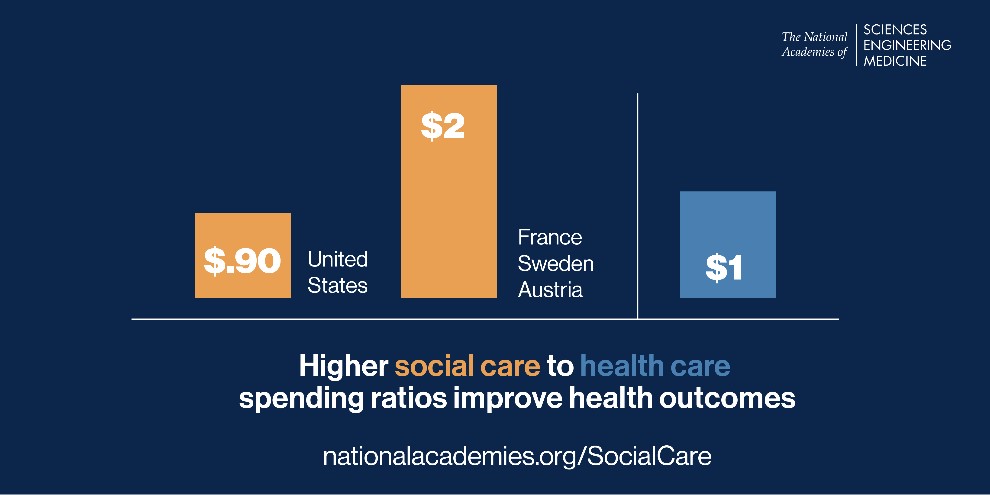
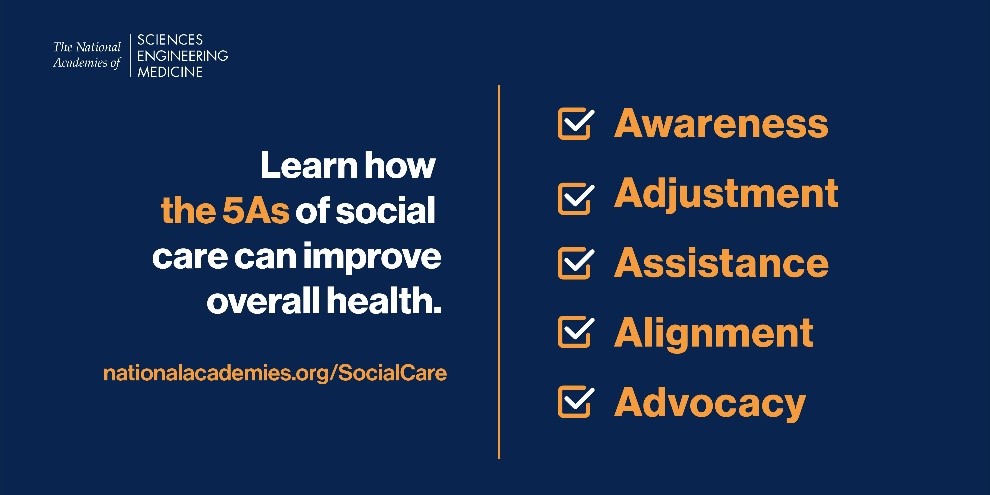
Paying for Biopsychosocial Care

The system used to pay for health care today does not encourage the integration of health care and social care, nor can it adequately adapt to the trending shift toward value-based payments for care — paying for better quality and better health outcomes. New financing approaches are needed to enable the health care sector to engage in
activities that strengthen social care and community resources.

  • MCOs are obligated to provide care management, which includes the authority for MCOs to use their Medicaid funding to identify social care needs and link people to services.
  • MCOs can use their Medicaid funds to pay for social care as “in lieu of” services or as “value added services (for example, to provide medically tailored meals for a homebound individual or an air conditioner for a severely asthmatic child).
  • Some states require MCOs to contract with existing community-based organizations to provide services such as ombudsman (advocacy) services, nursing home eligibility assessments, and care management.
carenodes SDOH1
carenodes SDOH
carenodes SDOH